%2Ffit-in%2F250x250%2Fguide_websites%2F121873%2Fimages%2F1773981771403chatgptimagemar20202612_42_43pm.png&w=1920&q=100)
/users/e27be428-4402-44c1-a8a1-fb9aaf19fa31/ratecard/4-mmydxlxf.jpeg)
%2F300x300%2Fusers%2Fe27be428-4402-44c1-a8a1-fb9aaf19fa31%2Fratecard%2F4-mmydxlxf.jpeg&w=256&q=75)
%2F300x300%2Fusers%2Fe27be428-4402-44c1-a8a1-fb9aaf19fa31%2Fimages%2Flittle-river-flatfish-catch-2446.jpg&w=256&q=75)
%2F300x300%2Fusers%2Fe27be428-4402-44c1-a8a1-fb9aaf19fa31%2Fimages%2Fgreater-amberjack-little-river-catch-2469.jpg&w=256&q=75)
%2F300x300%2Fusers%2Fe27be428-4402-44c1-a8a1-fb9aaf19fa31%2Fimages%2Flittle-river-cobia-catch-2463.jpg&w=256&q=75)
%2F300x300%2Fusers%2Fe27be428-4402-44c1-a8a1-fb9aaf19fa31%2Fimages%2Fblack-drum-little-river-catch-2388.jpeg&w=256&q=75)
%2F300x300%2Fusers%2Fe27be428-4402-44c1-a8a1-fb9aaf19fa31%2Fimages%2Flittle-river-fishing-charter-boat-2404.jpg&w=256&q=75)
%2F300x300%2Fusers%2Fe27be428-4402-44c1-a8a1-fb9aaf19fa31%2Fimages%2Flittle-river-spadefish-catch-2438.jpg&w=256&q=75)
%2F300x300%2Fusers%2Fe27be428-4402-44c1-a8a1-fb9aaf19fa31%2Fimages%2Flittle-river-fishing-catch-2466.jpeg&w=256&q=75)
%2F300x300%2Fusers%2Fe27be428-4402-44c1-a8a1-fb9aaf19fa31%2Fimages%2Flittle-river-redfish-catch-2486.jpeg&w=256&q=75)
%2F300x300%2Fusers%2Fe27be428-4402-44c1-a8a1-fb9aaf19fa31%2Fimages%2Flittle-river-fishing-charter-dock-2448.jpg&w=256&q=75)
%2F300x300%2Fusers%2Fe27be428-4402-44c1-a8a1-fb9aaf19fa31%2Fimages%2Fblack-drum-little-river-sc-2532.jpeg&w=256&q=75)
Expert Guided Inshore Get Hooked North Myrtle
 North Myrtle Beach
What you will be catching:
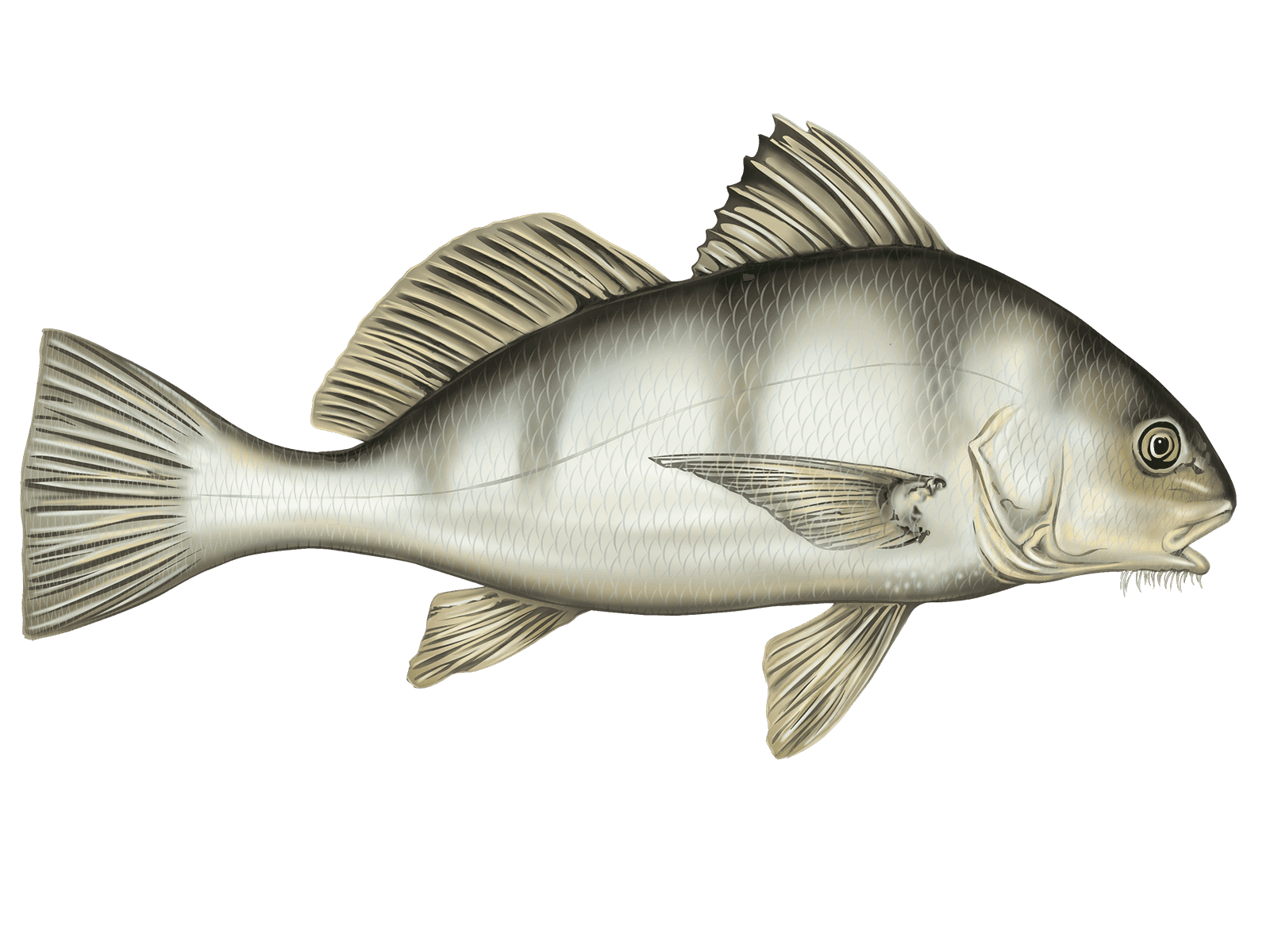
 Black Drum
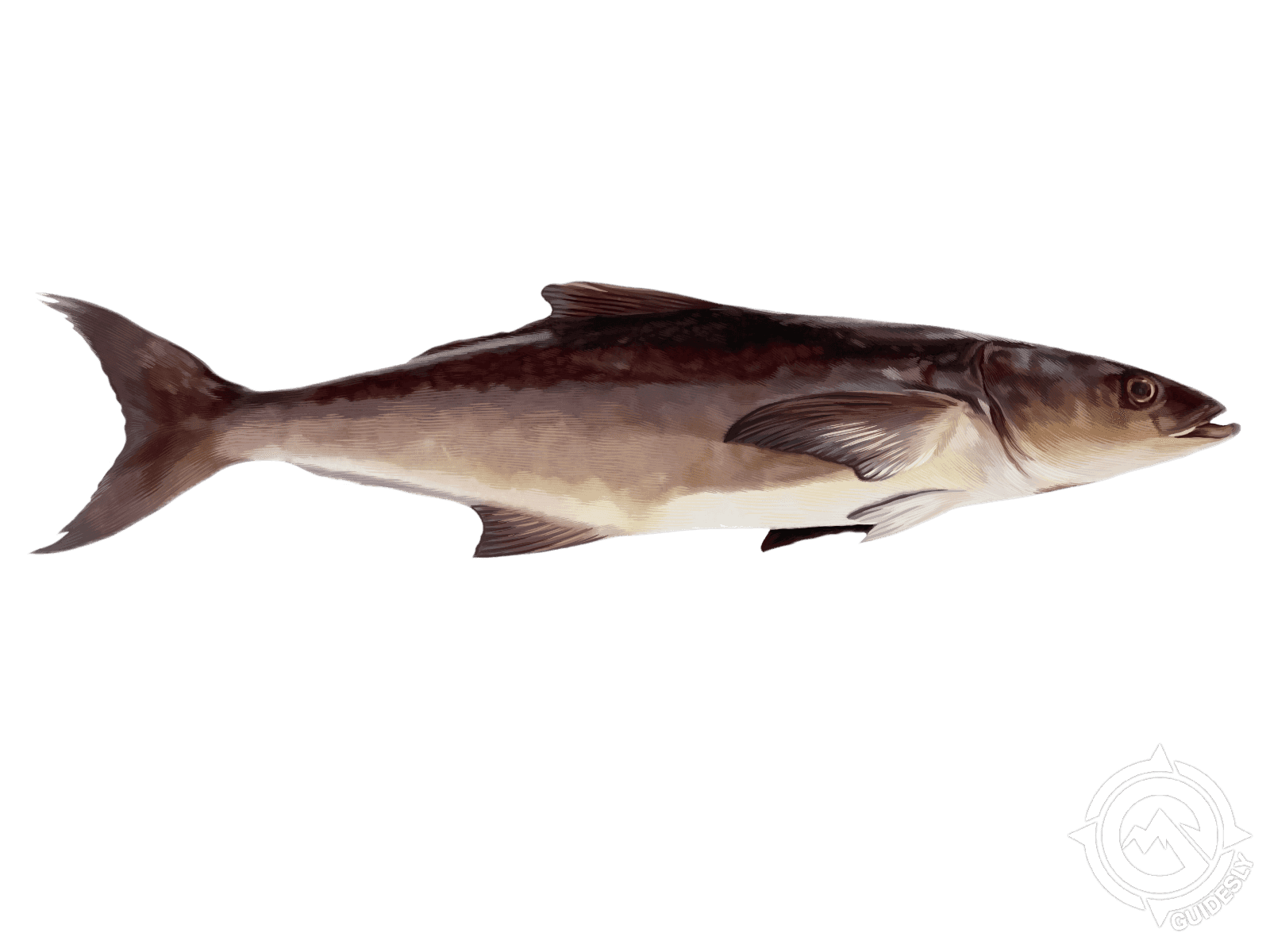
 Cobia
Cobia Great Barracuda
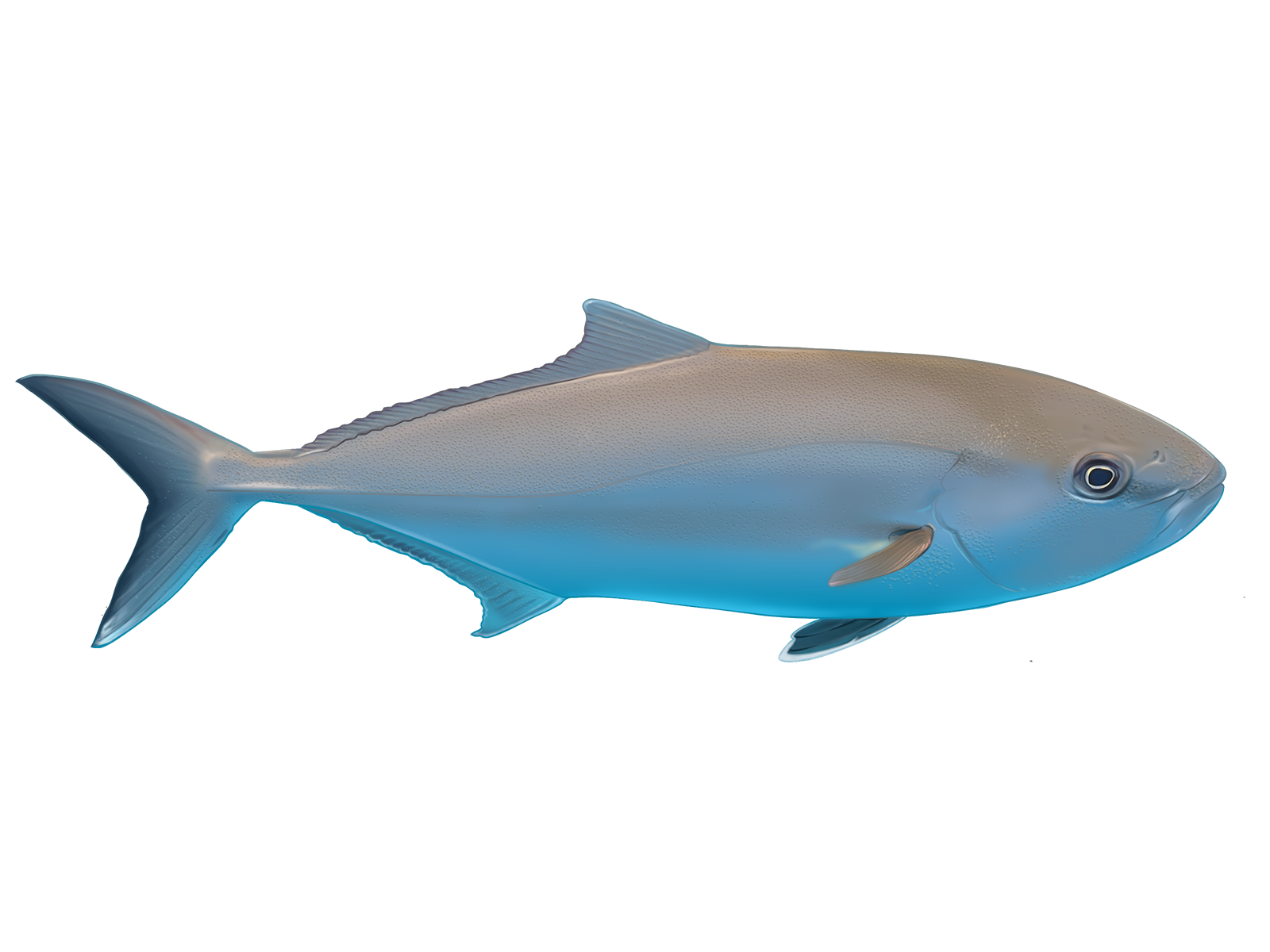 Greater Amberjack
 Redfish
- 6-hour charter targeting multiple species with Captain Lee
- Accommodates up to 4 anglers with gear and licenses included
- Fish cleaning service provided for convenient experience
Trip Pricing and Availabilities:
North Myrtle Beach Fishing Charter
Captain Lee's 6-hour fishing charter is hands down one of the most popular trips along the Grand Strand, and for good reason. Starting at 7 AM, you'll have the entire morning and early afternoon to explore both inshore and nearshore waters around North Myrtle Beach. This isn't your typical half-day rush job – with six full hours on the water, you've got real time to find fish and make the most of whatever conditions Mother Nature throws at you. The boat handles up to 3 anglers comfortably, though you can squeeze in a 4th person for a small upcharge if your group needs it. Everything's included – tackle, bait, licenses, and fish cleaning – so you can focus on what matters: putting fish in the cooler.
What to Expect on the Water
This charter gives you the best of both worlds. Depending on weather conditions, tides, and what's biting, Captain Lee will take you wherever the action is hottest. Some days that means working the inshore creeks and oyster bars for redfish and black drum. Other days, you'll head out to the nearshore reefs and structure for cobia, king mackerel, and amberjack. The extended timeframe means you're not locked into one fishing style or location – if the inshore bite is slow, you can make a move offshore. If the kings aren't cooperating on the reefs, you can slide back into the marsh and target some drum. It's this flexibility that makes the 6-hour trip such a customer favorite. Captain Lee knows these waters like the back of his hand and he's not afraid to make moves to keep your lines tight. The boat runs smooth in most conditions, and with only 3 people max, there's plenty of room to spread out and fish comfortably.
Tackle Talk & Techniques
Captain Lee keeps his boat rigged with quality gear that can handle everything from finicky Spanish mackerel to bruiser amberjack. For inshore work, you'll be using medium-heavy spinning tackle with circle hooks and live or cut bait. The redfish bite responds well to live shrimp fished around oyster bars and dock pilings, while black drum prefer blue crab or cut mullet on the bottom. When you move offshore, the tackle gets beefed up for the bigger players. King mackerel love slow-trolled live baits or spoons, and cobia will crush a live eel or big jig worked around structure. The captain provides everything, but if you've got a favorite rod or reel setup, feel free to bring it along. He's always happy to let anglers use their own gear if they prefer. Techniques vary throughout the day based on what species you're targeting, but expect a mix of bottom fishing, trolling, and sight casting depending on conditions.
Top Catches This Season
Black drum are absolute tanks and one of the most reliable catches in these waters. These fish hang around oyster bars, bridge pilings, and shallow flats year-round, though they're most active during cooler months from fall through early spring. Mature drum can push 30-40 pounds and will test your drag system when they make their first run. They're not flashy fighters, but they use every ounce of their weight to stay glued to the bottom. What makes them special is their consistent bite – even when other species are finicky, you can usually count on drum to keep the action going. Plus, smaller drum in the 5-15 pound range make excellent table fare.
Redfish are the crown jewel of inshore fishing around North Myrtle Beach. These copper-colored bruisers patrol the marsh grass, oyster bars, and shallow flats looking for crabs and shrimp. During warmer months, you'll often spot them tailing in skinny water, which makes for some exciting sight fishing opportunities. Reds fight like freight trains, using their broad tails and stubborn nature to make long runs and powerful head shakes. The slot-sized fish (14-23 inches) are world-class eating, while the oversized bulls provide pure adrenaline rushes. Fall months bring some of the best redfish action as schools of fish move through the area during their spawning runs.
Greater amberjack are the heavyweight champions of the nearshore reefs and wrecks. These fish can reach 50+ pounds and will absolutely smoke your drag when hooked. They live around hard structure in 60-120 feet of water and respond well to live baits or heavy jigs worked vertically. What makes amberjack so exciting is their raw power – they'll dive straight for the bottom when hooked, trying to wrap you around whatever structure they can find. The fight is typically short but incredibly intense. Peak season runs from late spring through early fall when water temperatures are warmest. Even smaller amberjack in the 20-30 pound range will give you a workout you won't forget.
Great barracuda are pure excitement on light tackle. These toothy predators patrol both inshore and nearshore waters, often surprising anglers targeting other species. Barracuda are lightning fast and known for their spectacular jumps when hooked. They'll hit everything from live baits to flashy spoons and plugs, often with explosive strikes that will get your heart racing. While they're not typically targeted as table fare, the fight they provide more than makes up for it. Summer months offer the best barracuda action, especially around grass beds and reef edges where they ambush baitfish.
Cobia are probably the most sought-after species on these trips, and for good reason. These brown sharks (as locals sometimes call them) are curious fish that often approach the boat, giving anglers shots at sight casting. Cobia can reach impressive sizes – 30 to 60 pounders aren't uncommon – and they fight with a combination of power and endurance that few fish can match. They're also outstanding table fare, with firm white meat that's perfect for grilling or blackening. Spring and fall migrations bring the best cobia fishing,
Learn more about the species
Black Drum
Black drum are heavy-bodied fish that run 5-30 pounds, though we occasionally see monsters pushing 50+ pounds. They're cousins to redfish but pack more muscle and make that distinctive drumming sound you can actually hear underwater. Spring is prime time when they school up for spawning in shallow bays and around oyster bars. You'll find them working muddy bottoms and structure in 2-15 feet of water. What makes them special is that powerful fight - they use their broad sides and bull-dog strength to test your drag. The smaller ones under 15 pounds make excellent table fare with sweet, flaky meat. My go-to tip: use fresh crab or cut bait right on the bottom near oyster beds, and don't be afraid to use heavy tackle - these fish will surprise you with their strength.
Cobia
Cobia are one of our most prized catches, averaging 30-60 pounds with their distinctive brown color and shark-like appearance. They're loners that cruise around structure, buoys, and wrecks in 20-80 feet of water. Spring migration from April through June is prime time when they move through our area heading north. What makes cobia special is the combination of strong fighting ability and outstanding table fare - firm, white meat that's hard to beat. They're curious fish that will often approach the boat, making for exciting sight fishing opportunities. My best advice is to have a bucktail jig or live bait ready when you spot one cruising near the surface. They can be finicky, so if they refuse your first offering, try switching baits or letting them circle back around.
Great Barracuda
Barracuda are the speed demons of our waters, reaching 3-5 feet and capable of 35 mph bursts. These silver torpedoes patrol nearshore waters around structure, reefs, and open flats, usually in 10-40 feet. They're aggressive year-round but really turn on during warmer months. What makes them exciting is the explosive strike and acrobatic fight - they'll jump and make blistering runs before tiring quickly. While not typically kept for eating due to potential toxins, they're pure adrenaline on light tackle. The key is their attraction to shiny, fast-moving lures. I tell guests to retrieve lures quickly and erratically - barracuda hunt by sight and react to speed. Wire leaders are essential since those razor teeth will cut through mono in a heartbeat. Watch your hands when landing them!
Greater Amberjack
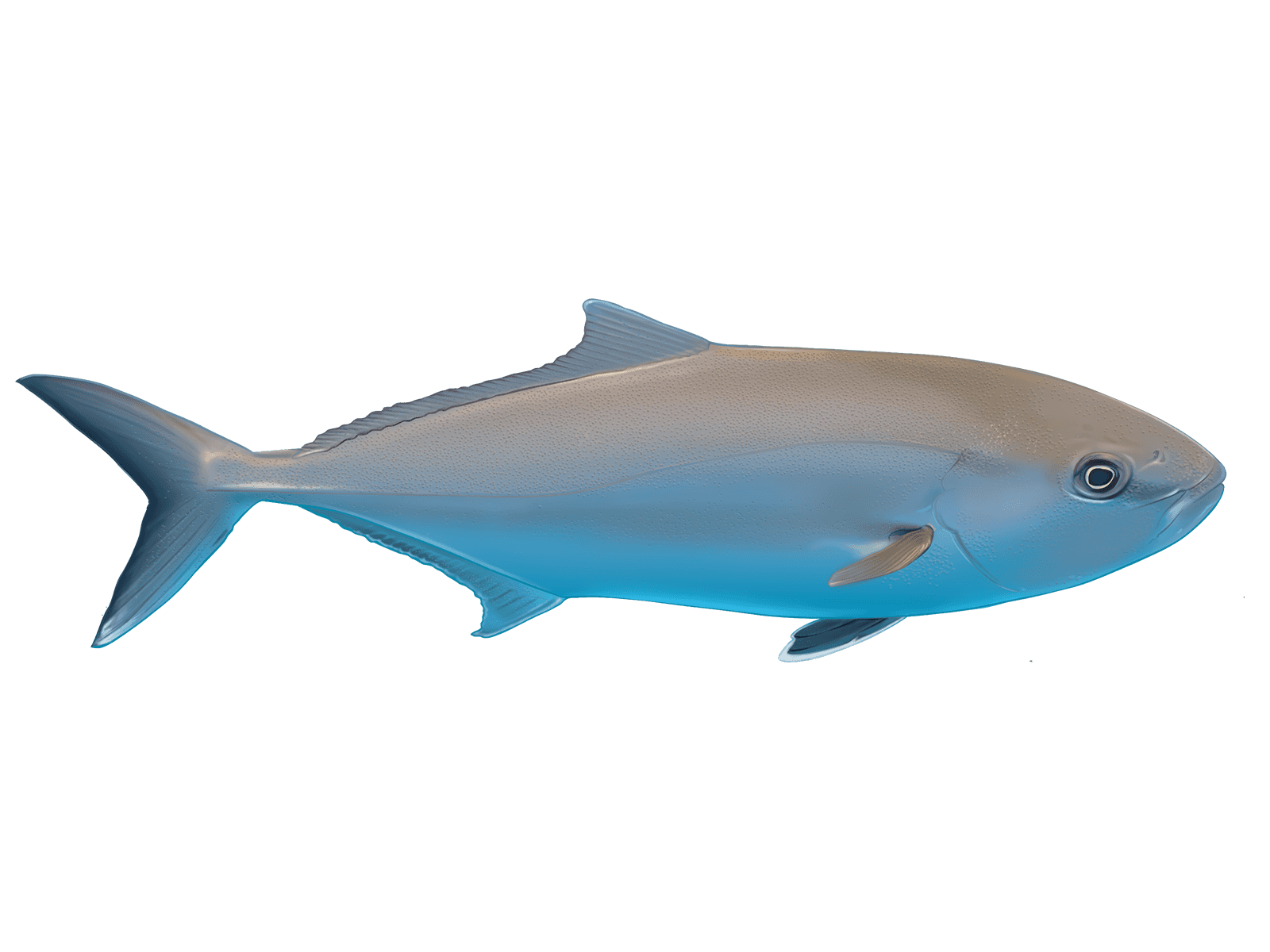
Amberjacks are serious offshore fighters that average 30-50 pounds but can push well over 60. You'll recognize them by that amber stripe running down their bluish-gray bodies. We target them around wrecks, reefs, and structure in 60-150 feet of water where they hang out year-round, with spring and early summer being peak season. What makes them popular is the brute strength fight - they'll test your tackle and your back with those deep, powerful runs. The meat is excellent when prepared right, though larger fish can carry ciguatera. The trick with amberjacks is getting them off the bottom quickly once hooked. I recommend heavy tackle and don't give them any slack - they'll wrap you around structure faster than you can blink. Live bait works best, but they'll hammer jigs and plugs too.
Redfish
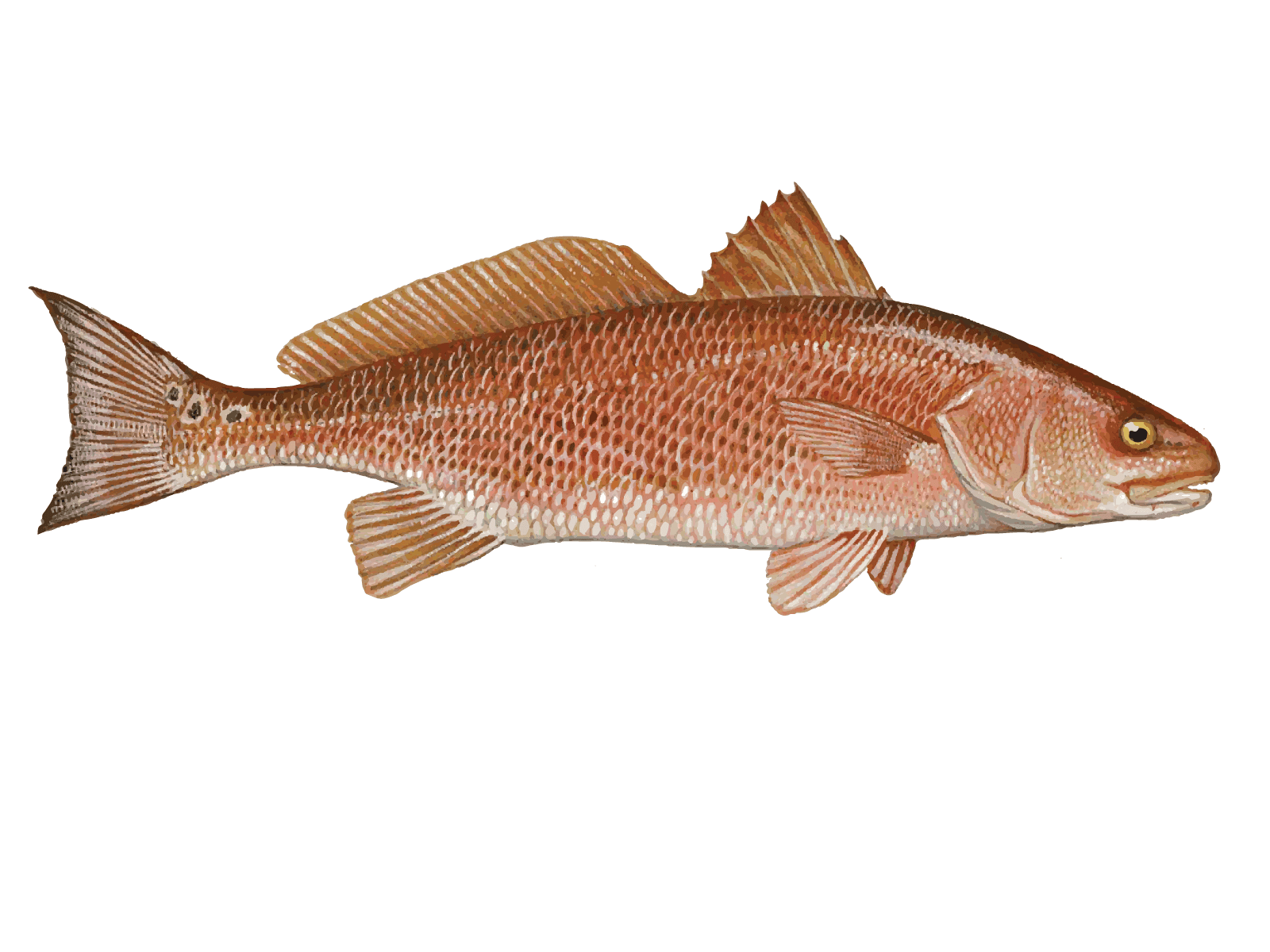
Redfish are the bread and butter of our inshore fishing, typically running 20-35 inches with that iconic black spot near the tail and copper-colored backs. They love super shallow water - sometimes so shallow their backs show above the surface. You'll find them cruising oyster bars, grass flats, and around docks in 1-4 feet of water. Fall and spring offer the best action when they're most active feeding. What guests love is the aggressive strikes and strong runs they make in shallow water. Plus, they're fantastic eating with mild, sweet meat. The key around here is to look for them tailing in the shallows during moving tides. I always tell folks to cast past the fish and work your bait back toward them - redfish spook easily in skinny water, so approach them like you're hunting.
About the Get Hooked Fishing Charter
%2F%2Fusers%2Fe27be428-4402-44c1-a8a1-fb9aaf19fa31%2Fvehicle_picture%2F2f6a1e65a3bad85ce9bd406969910084-mmydvwpt.jpeg&w=1920&q=75)
Vehicle Guest Capacity: 4
Manufacturer Name: 2024 Honda
Maximum Cruising Speed: 35
Number of Engines: 1
Horsepower per Engine: 250