%2Ffit-in%2F250x250%2Fguide_websites%2F121873%2Fimages%2F1773981771403chatgptimagemar20202612_42_43pm.png&w=1920&q=100)
/users/e27be428-4402-44c1-a8a1-fb9aaf19fa31/ratecard/2-mmydisyr.jpeg)
%2F300x300%2Fusers%2Fe27be428-4402-44c1-a8a1-fb9aaf19fa31%2Fratecard%2F2-mmydisyr.jpeg&w=256&q=75)
%2F300x300%2Fusers%2Fe27be428-4402-44c1-a8a1-fb9aaf19fa31%2Fimages%2Flittle-river-flatfish-catch-2446.jpg&w=256&q=75)
%2F300x300%2Fusers%2Fe27be428-4402-44c1-a8a1-fb9aaf19fa31%2Fimages%2Fgreater-amberjack-little-river-catch-2469.jpg&w=256&q=75)
%2F300x300%2Fusers%2Fe27be428-4402-44c1-a8a1-fb9aaf19fa31%2Fimages%2Flittle-river-cobia-catch-2463.jpg&w=256&q=75)
%2F300x300%2Fusers%2Fe27be428-4402-44c1-a8a1-fb9aaf19fa31%2Fimages%2Fblack-drum-little-river-catch-2388.jpeg&w=256&q=75)
%2F300x300%2Fusers%2Fe27be428-4402-44c1-a8a1-fb9aaf19fa31%2Fimages%2Flittle-river-fishing-charter-boat-2404.jpg&w=256&q=75)
%2F300x300%2Fusers%2Fe27be428-4402-44c1-a8a1-fb9aaf19fa31%2Fimages%2Flittle-river-spadefish-catch-2438.jpg&w=256&q=75)
%2F300x300%2Fusers%2Fe27be428-4402-44c1-a8a1-fb9aaf19fa31%2Fimages%2Flittle-river-fishing-catch-2466.jpeg&w=256&q=75)
%2F300x300%2Fusers%2Fe27be428-4402-44c1-a8a1-fb9aaf19fa31%2Fimages%2Flittle-river-redfish-catch-2486.jpeg&w=256&q=75)
%2F300x300%2Fusers%2Fe27be428-4402-44c1-a8a1-fb9aaf19fa31%2Fimages%2Flittle-river-fishing-charter-dock-2448.jpg&w=256&q=75)
%2F300x300%2Fusers%2Fe27be428-4402-44c1-a8a1-fb9aaf19fa31%2Fimages%2Fblack-drum-little-river-sc-2532.jpeg&w=256&q=75)
Premium Nearshore Charter North Myrtle Beach
 North Myrtle Beach
What you will be catching:
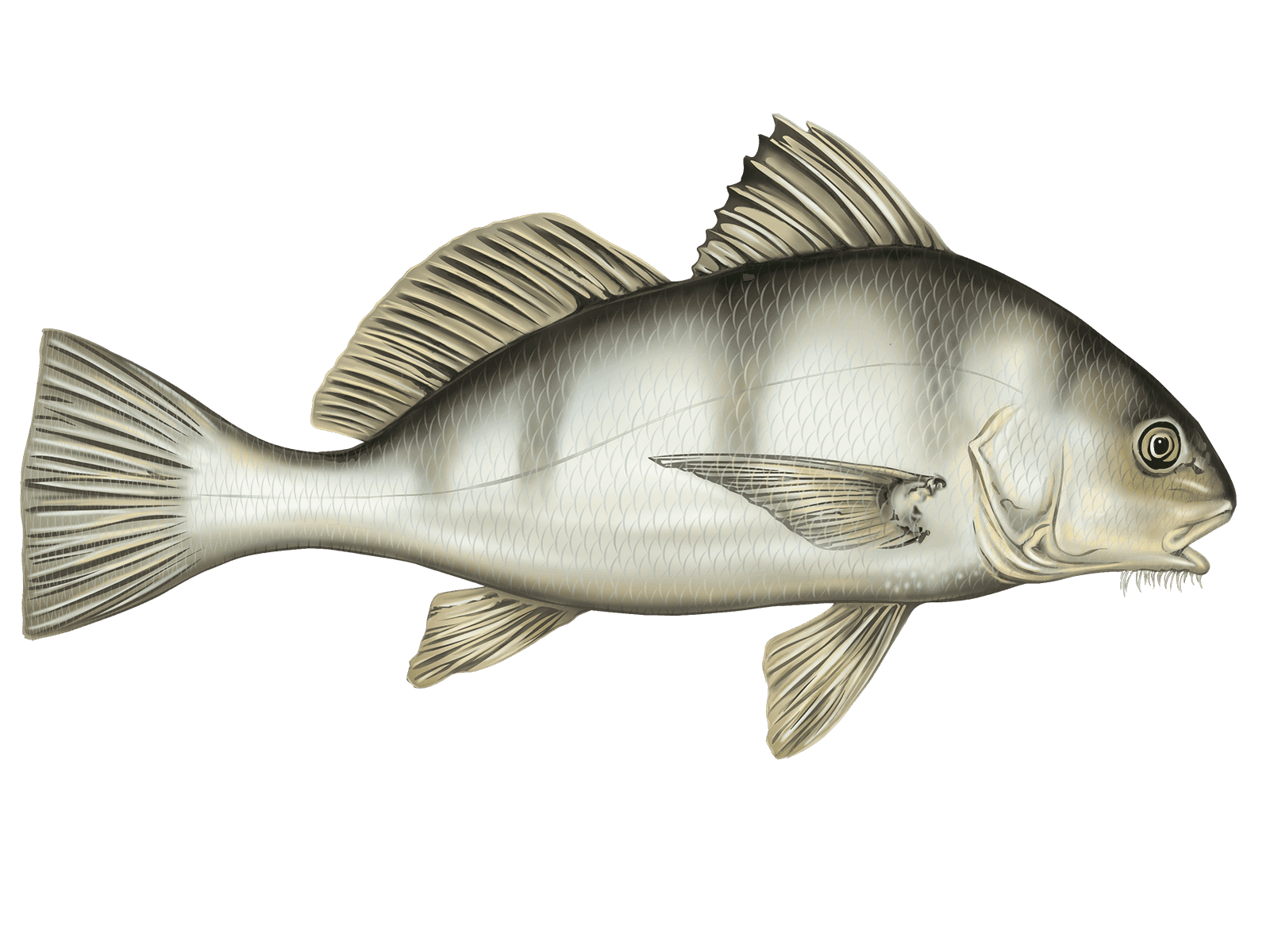
 Black Drum
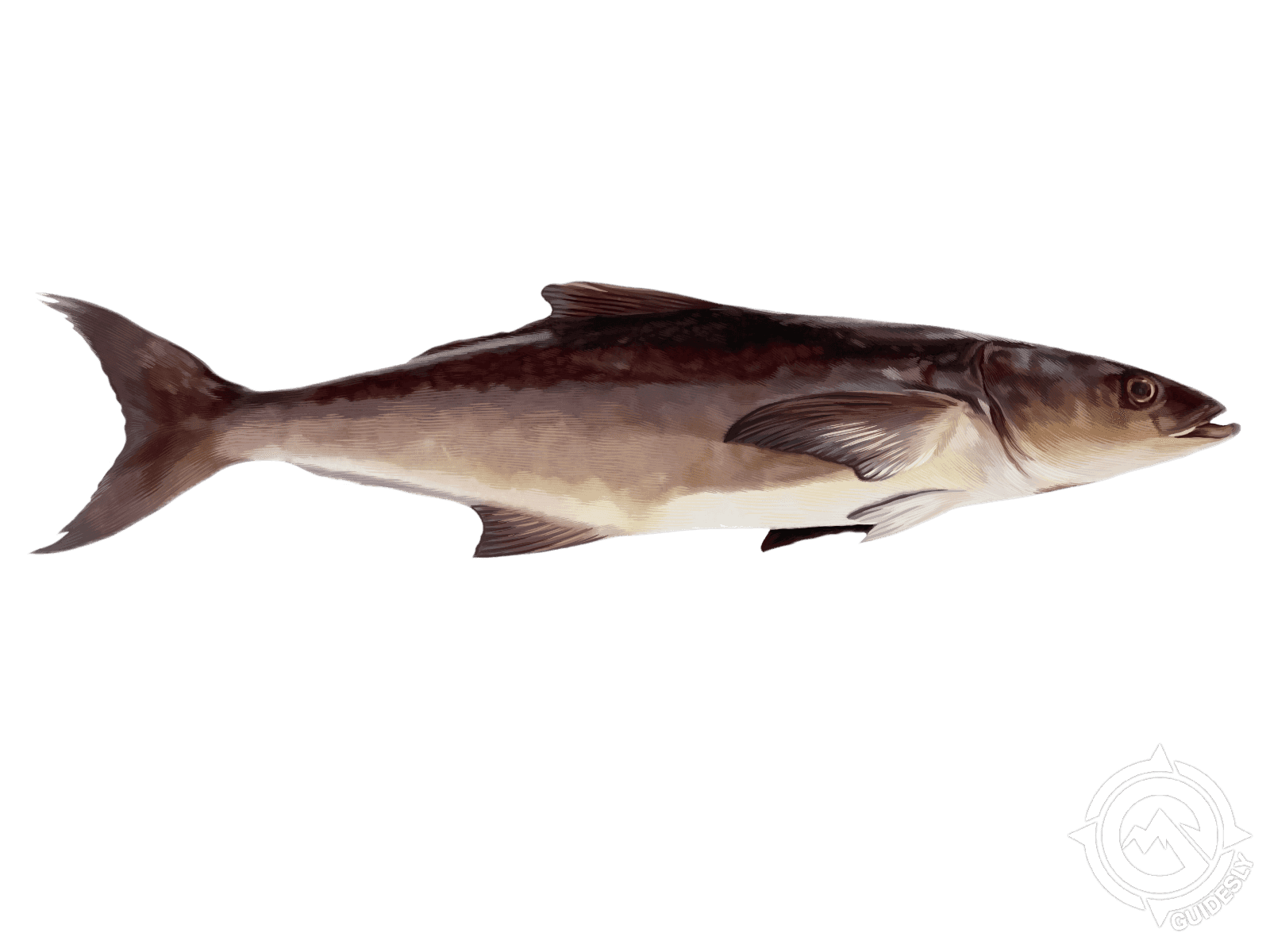
 Cobia
Cobia Great Barracuda
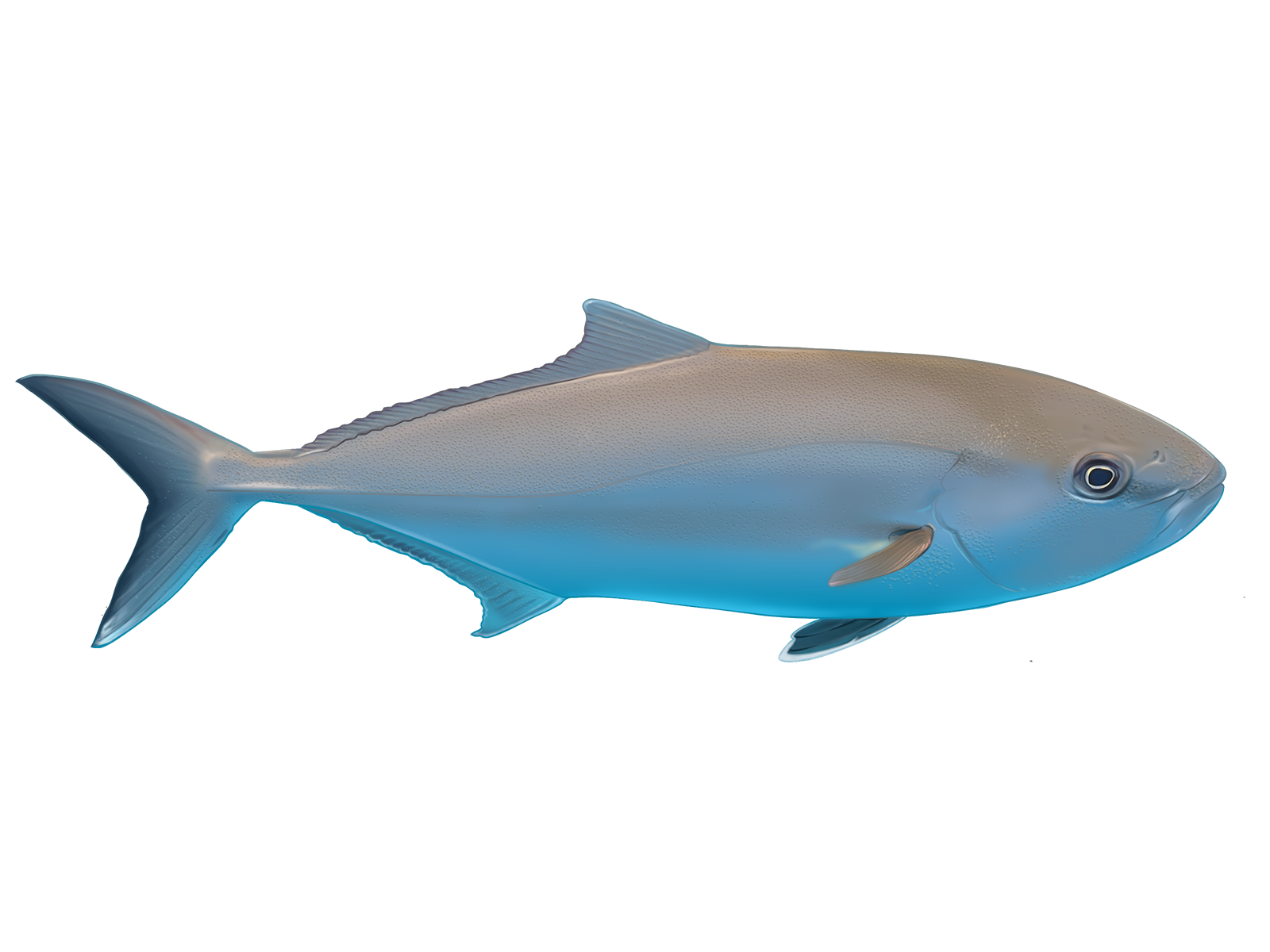 Greater Amberjack
 Redfish
- 4.5-hour nearshore charter targeting mackerel, cobia, and seabass
- All equipment, bait, licenses, and fish cleaning services included
- Expert captain provides hands-on guidance for up to 3 anglers
Trip Pricing and Availabilities:
Nearshore Fishing Charter North Myrtle Beach
Looking for that sweet spot between the crowded inlets and the long haul to deep water? This 4.5-hour nearshore charter with Captain Lee hits the mark perfectly. You'll fish waters up to 10 miles off North Myrtle Beach, targeting some of the coast's most popular species without burning your whole day. Starting at 7 AM, this trip accommodates up to 3 anglers comfortably, with room for a 4th if your group needs it. All your gear, bait, fishing license, and fish cleaning are covered – just bring yourself and maybe some snacks for the ride. It's the kind of trip that delivers solid action while keeping things relaxed and manageable.
What to Expect on the Water
Captain Lee runs a tight ship but keeps the atmosphere fun and educational. You'll head out in the early morning when the bite is typically strongest, cruising to proven spots where structure and baitfish draw in hungry predators. The nearshore zone off North Myrtle Beach offers the perfect mix of reef structure, artificial reefs, and open water edges where fish congregate. Expect to see other boats working similar areas, but Captain Lee knows the subtle differences that separate the productive spots from the crowded ones. The half-day format means you'll be back at the dock by lunchtime, giving you plenty of energy to enjoy the rest of your beach vacation. Water conditions are generally calmer than offshore trips, making this a great choice for families or anyone prone to seasickness.
Techniques and Tackle
Nearshore fishing requires a different approach than inlet fishing or deep-sea trips. You'll primarily work with medium-heavy spinning rods and conventional reels loaded with 20-30 pound test line. Live bait is king out here – expect to fish with cigar minnows, threadfin herring, and small pinfish depending on what's available and what the fish are eating. Captain Lee also employs artificial lures like spoons, jigs, and diving plugs when the situation calls for it. Trolling is a primary technique, especially when covering water to locate schools of Spanish mackerel or hunting for cobia cruising near the surface. You'll also do plenty of bottom fishing over structure for black seabass and other reef dwellers. The captain provides all tackle, but if you have favorite lures or rods, feel free to bring them along. Circle hooks are standard to promote healthy catch and release practices.
Top Catches This Season
Black drum are absolute workhorses in these nearshore waters, and they'll test your drag system when they make their powerful runs toward structure. These copper-colored bruisers typically range from 20 to 40 pounds in this area, with larger specimens pushing 50 pounds or more. Spring and fall offer the most consistent black drum action, but you can find them year-round near wrecks and hard bottom areas. What makes them special is their fight – they're not flashy jumpers, but they'll pull steady and hard, making you work for every inch of line you gain back.
Redfish, or red drum, are the poster fish for nearshore adventures. These bronze beauties with distinctive black spots near their tails are incredibly popular because they fight hard and taste even better. Most nearshore reds run between 25 and 35 inches, putting them right in that sweet spot for great photos and excellent table fare. They're most active during warmer months but can be caught year-round when you know where to look. Captain Lee targets them around structure and drop-offs where they ambush baitfish.
Greater amberjack are the muscle cars of the nearshore zone. These fish will absolutely smoke your drag on the initial run, often diving straight down toward the structure where they live. Most amberjack in this area range from 30 to 60 pounds, though larger specimens aren't uncommon. They're most abundant from late spring through early fall, and they're notorious for testing both your tackle and your patience. The reward is a fish that provides non-stop action from hookup to boat-side.
Great barracuda add an element of excitement with their blazing speed and impressive teeth. These silver missiles can reach lengths of 4 to 5 feet and are known for spectacular jumps and lightning-fast runs. They're present year-round but most active in warmer water. Barracuda are opportunistic predators, often striking lures with aggressive abandon. While they're not typically kept for the table due to potential ciguatera concerns, they provide incredible sport and memorable photos.
Cobia are perhaps the most prized nearshore species, known for their curious nature and excellent eating quality. These chocolate-brown fish often approach the boat, giving you multiple chances at a hookup. They typically range from 30 to 50 pounds in these waters, with some specimens reaching impressive sizes. Cobia are most common from late spring through early fall, often found following rays or cruising near structure. They're sight-fishing targets that get your heart racing when you spot their distinctive profile near the surface.
Time to Book Your Spot
This nearshore charter strikes the perfect balance for North Myrtle Beach visitors who want serious fishing without the commitment of a full-day offshore trip. Captain Lee's experience shows in his fish-finding ability and his knack for keeping everyone involved and catching fish. The included amenities mean you can focus entirely on fishing rather than worrying about licenses, gear, or cleaning your catch. Morning trips tend to be most productive, and the 7 AM start time puts you on the water when fish are most active. With space for up to 3 anglers (or 4 with the upgrade), it's sized right for families, couples, or small groups of friends. Book ahead, especially during peak season – this kind of quality nearshore action with a top-rated captain fills up fast.
Learn more about the animals
Black Drum
These big, dark fish are some of the strongest fighters you'll find in our nearshore waters. Black drum typically run 5-30 pounds, though we occasionally hook giants pushing 50+ pounds. They love hanging around oyster beds, inlet mouths, and structure in 10-40 feet of water. Spring is prime time when they school up for spawning - that's when you'll find the best action. What makes them special is that powerful fight and their unique "drumming" sound they make underwater. The smaller ones under 15 pounds are excellent eating with sweet, flaky meat. My go-to trick is using fresh cut blue crab on the bottom - it stays put better than shrimp and the drums can't resist it. Just be ready for that initial run when they feel the hook.
Cobia
Cobia are like the ocean's brown sharks until you get a closer look at that broad, flat head. These chocolate-colored bruisers average 30-50 pounds and fight like they're twice that size. We find them around buoys, wrecks, and floating debris in 20-80 feet of water, often cruising just under the surface. Spring migration from April to June is prime time when they move through our area. What makes cobia special is their curiosity - they'll actually swim up to check out the boat. Plus, they're some of the best eating fish in the ocean with firm, white meat. They're usually solo travelers, so when you see one, get a bait down fast. My trick is to keep a bucktail jig ready at all times - their curiosity gives you one good shot before they move on.
Great Barracuda
Barracuda are the speed demons out here, hitting 35 mph when they want your bait. These sleek predators typically run 3-5 feet long with razor-sharp teeth and attitude to match. You'll spot them near the surface around reefs, wrecks, and drop-offs in 20-80 feet of water. They're most active during warmer months when baitfish are plentiful. What makes them exciting is that explosive strike and the aerial show they put on when hooked. They're sight hunters, so shiny lures work great. The meat can be good, but most folks target them for the fight. My tip: use a wire leader and be ready for anything - they'll hit hard, jump high, and try to cut your line. Keep your distance when landing them; those teeth are serious business.
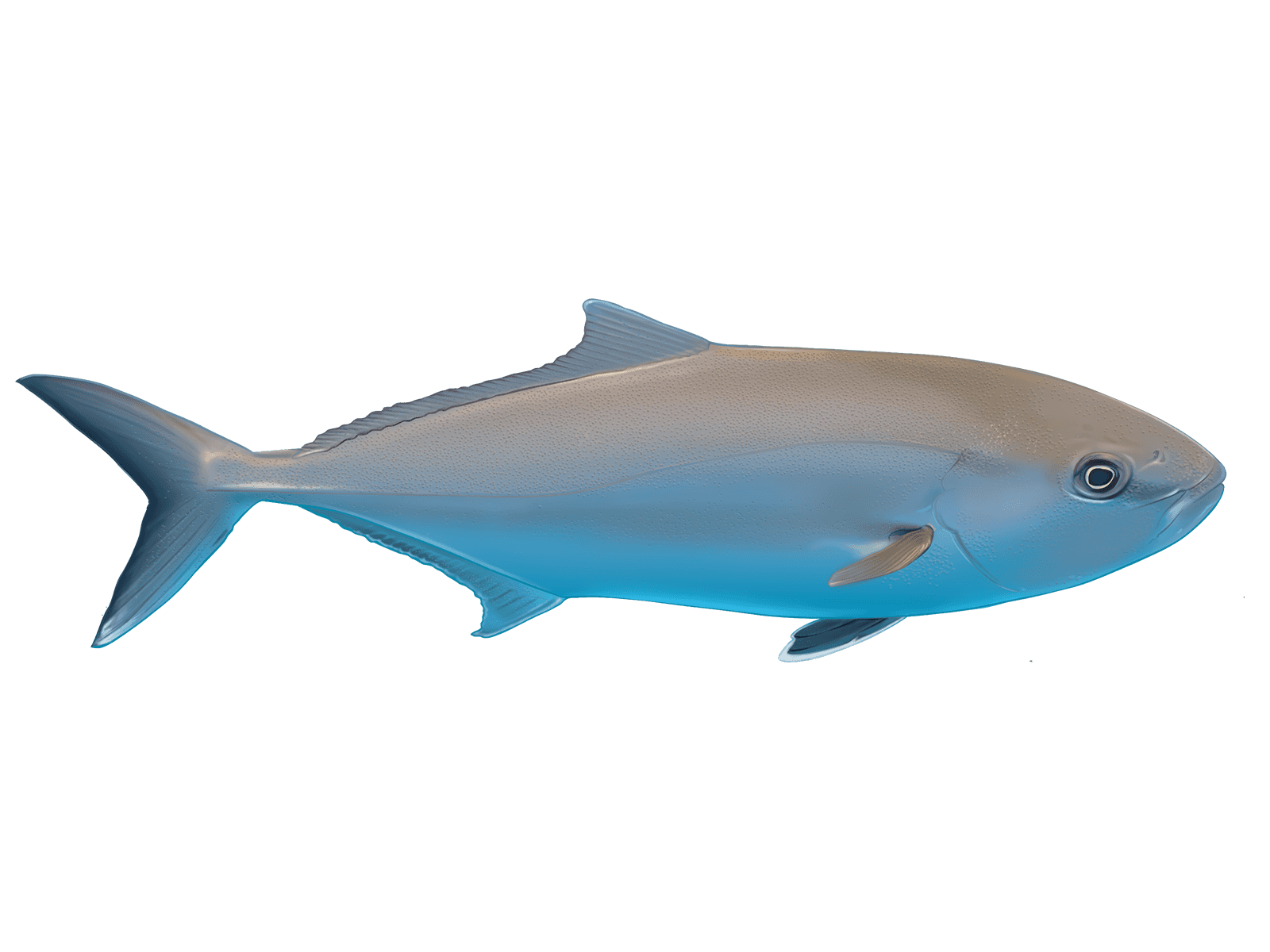
Greater Amberjack
Amberjacks are the bulldozers of our nearshore waters. These powerful fish average 20-40 pounds but can push 60+ pounds when we find the right schools. Look for them around wrecks, reefs, and hard bottom in 40-100 feet of water. Spring spawning season from April through June gives us the best shot at them. What makes amberjacks special is their incredible strength - they'll test your drag and your arms with long, powerful runs toward structure. The meat is excellent, firm and white when cooked. These fish aren't picky eaters, but they're tough fighters. Here's the key: once you hook one, keep steady pressure and don't let them get back to the structure. Live bait works best, but heavy jigs bounced near the bottom will trigger strikes too.
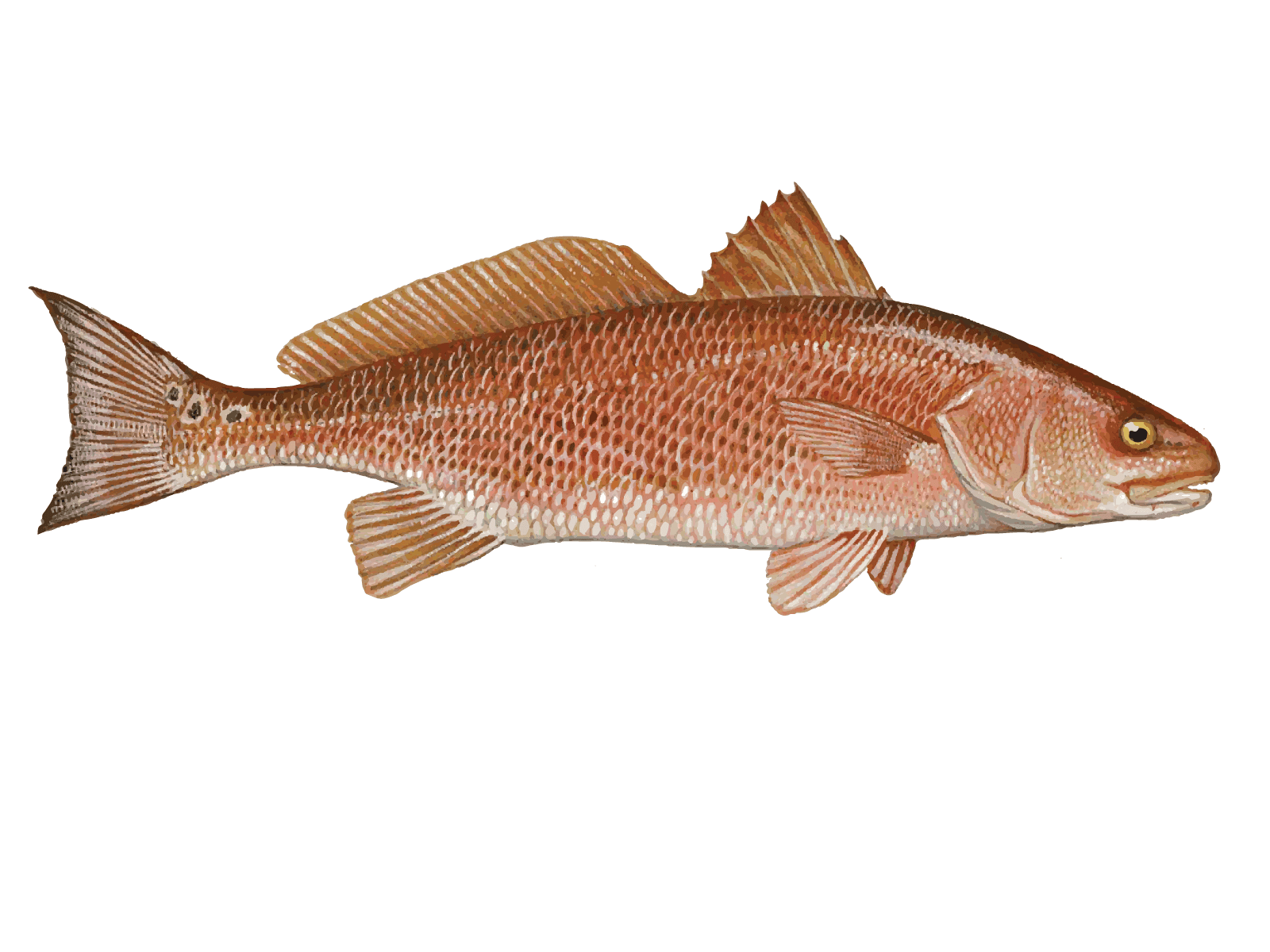
Redfish
Redfish are hands-down one of the most fun fish to target around here. These bronze beauties with their distinctive black spots typically run 18-30 inches in our waters. You'll find them cruising shallow flats, around oyster bars, and near grass beds in 1-6 feet of water. They're year-round residents, but spring and fall offer the hottest action when they're actively feeding. What guests love most is watching them crash topwater lures in skinny water - it's pure excitement. The meat is sweet and mild, perfect for the dinner table. They're also surprisingly smart fish that spook easily. My best advice? Keep your presentations quiet and natural. A well-placed shrimp or soft plastic worked slowly near structure will usually do the trick.
About the Get Hooked Fishing Charter
%2F%2Fusers%2Fe27be428-4402-44c1-a8a1-fb9aaf19fa31%2Fvehicle_picture%2F2f6a1e65a3bad85ce9bd406969910084-mmydvwpt.jpeg&w=1920&q=75)
Vehicle Guest Capacity: 4
Manufacturer Name: 2024 Honda
Maximum Cruising Speed: 35
Number of Engines: 1
Horsepower per Engine: 250