%2Ffit-in%2F250x250%2Fguide_websites%2F121873%2Fimages%2F1773981771403chatgptimagemar20202612_42_43pm.png&w=1920&q=100)
/users/e27be428-4402-44c1-a8a1-fb9aaf19fa31/ratecard/b0c99aba1c6e30690a76aaa1e2c568cc-mmydqrjv.jpeg)
%2F300x300%2Fusers%2Fe27be428-4402-44c1-a8a1-fb9aaf19fa31%2Fratecard%2Fb0c99aba1c6e30690a76aaa1e2c568cc-mmydqrjv.jpeg&w=256&q=75)
%2F300x300%2Fusers%2Fe27be428-4402-44c1-a8a1-fb9aaf19fa31%2Fimages%2Flittle-river-flatfish-catch-2446.jpg&w=256&q=75)
%2F300x300%2Fusers%2Fe27be428-4402-44c1-a8a1-fb9aaf19fa31%2Fimages%2Fgreater-amberjack-little-river-catch-2469.jpg&w=256&q=75)
%2F300x300%2Fusers%2Fe27be428-4402-44c1-a8a1-fb9aaf19fa31%2Fimages%2Flittle-river-cobia-catch-2463.jpg&w=256&q=75)
%2F300x300%2Fusers%2Fe27be428-4402-44c1-a8a1-fb9aaf19fa31%2Fimages%2Fblack-drum-little-river-catch-2388.jpeg&w=256&q=75)
%2F300x300%2Fusers%2Fe27be428-4402-44c1-a8a1-fb9aaf19fa31%2Fimages%2Flittle-river-fishing-charter-boat-2404.jpg&w=256&q=75)
%2F300x300%2Fusers%2Fe27be428-4402-44c1-a8a1-fb9aaf19fa31%2Fimages%2Flittle-river-spadefish-catch-2438.jpg&w=256&q=75)
%2F300x300%2Fusers%2Fe27be428-4402-44c1-a8a1-fb9aaf19fa31%2Fimages%2Flittle-river-fishing-catch-2466.jpeg&w=256&q=75)
%2F300x300%2Fusers%2Fe27be428-4402-44c1-a8a1-fb9aaf19fa31%2Fimages%2Flittle-river-redfish-catch-2486.jpeg&w=256&q=75)
%2F300x300%2Fusers%2Fe27be428-4402-44c1-a8a1-fb9aaf19fa31%2Fimages%2Flittle-river-fishing-charter-dock-2448.jpg&w=256&q=75)
%2F300x300%2Fusers%2Fe27be428-4402-44c1-a8a1-fb9aaf19fa31%2Fimages%2Fblack-drum-little-river-sc-2532.jpeg&w=256&q=75)
Shark Fishing Charter Get Hooked North Myrtle
 North Myrtle Beach
What you will be catching:
 Black Drum
 Cobia
Cobia Great Barracuda
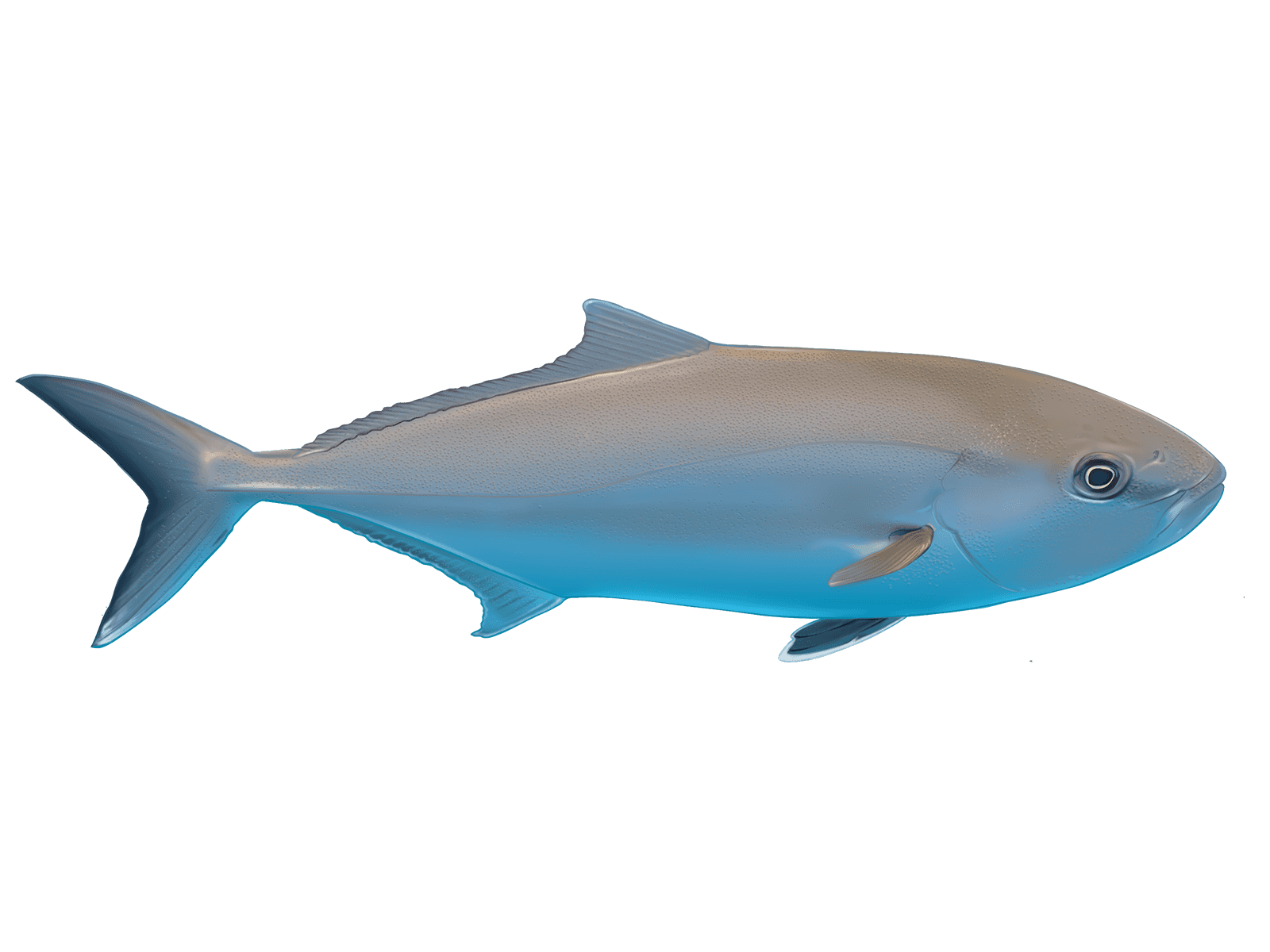
 Greater Amberjack
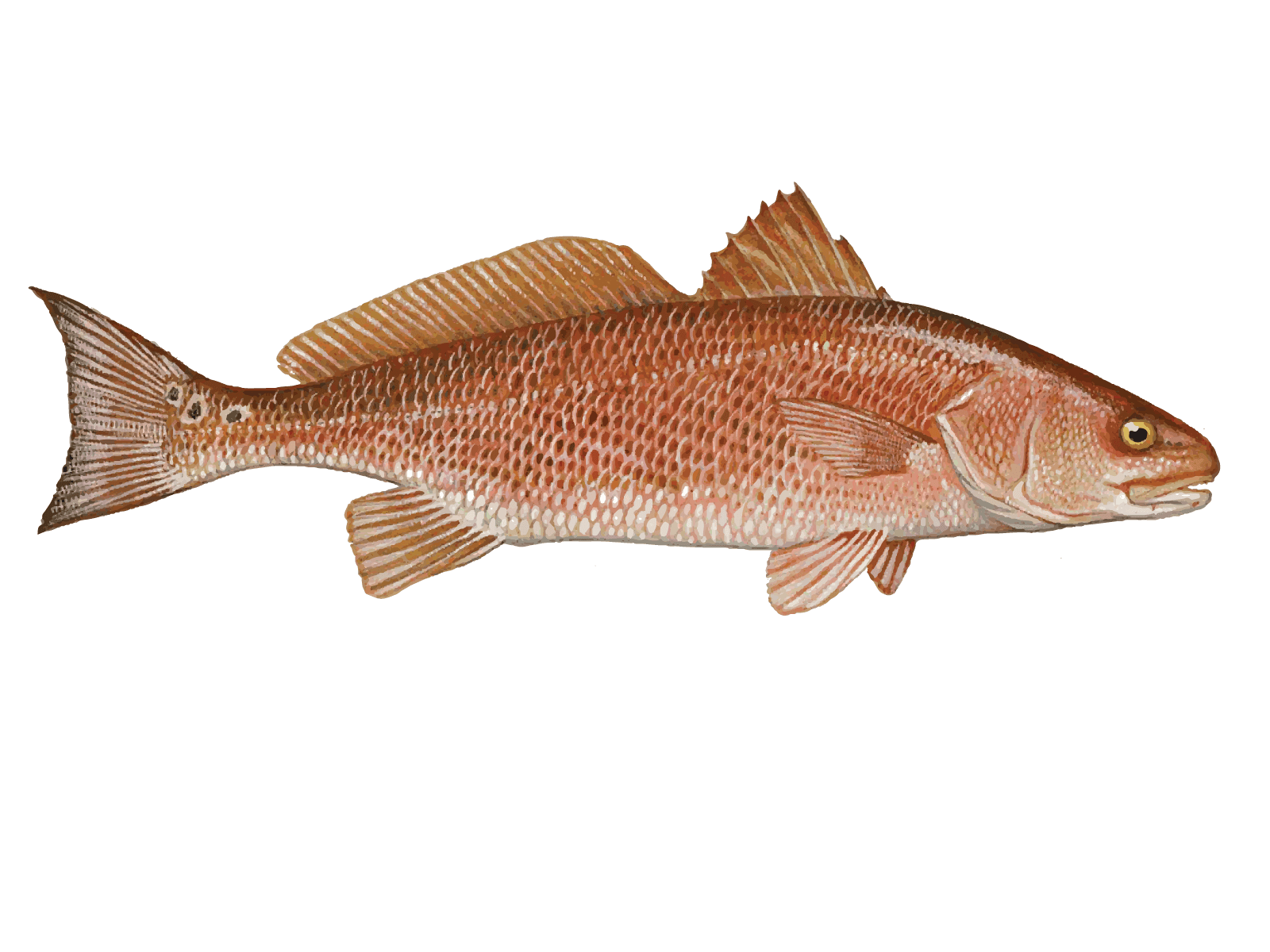
 Redfish
- 4.5-hour nearshore shark fishing charter targeting blacktip sharks
- Accommodates up to 3-4 anglers with all equipment and licenses included
- Expert captain provides technique instruction and safe fish handling
Trip Pricing and Availabilities:
Shark Fishing Charter North Myrtle Beach
Looking for something different than your typical inshore trip? Captain Lee's shark fishing charter puts you face-to-face with some of the coast's most powerful predators just off North Myrtle Beach. This isn't your average day on the water – we're talking about a 4.5-hour adventure that starts at first light and targets the kind of fish that'll test both your tackle and your nerves. With room for up to three anglers (and space for a fourth if you need it), this private charter gives you the personal attention and heavy-duty gear needed to handle these apex predators safely.
What to Expect on the Water
We kick off at 7 AM sharp, heading out to the nearshore waters where blacktip sharks and other coastal species patrol the drop-offs and structure. This isn't a leisurely cruise – once we reach the prime spots, it's all business. Captain Lee sets up the spread with heavy tackle that can handle 50+ pound fish without breaking a sweat. The boat stays positioned over productive bottom while we deploy multiple lines with fresh, oily baits that drive sharks crazy. You'll spend most of your time watching rod tips and waiting for that distinctive bend that means something big just picked up your bait. When it happens, there's no mistaking it – these fish hit hard and don't give up easy.
Gear Setup & Fighting Style
Everything's provided, from the heavy conventional reels spooled with 50-80 pound test to the circle hooks and wire leaders that keep these toothy critters from cutting you off. Captain Lee uses a combination of dead baits and cut chunks – whatever's working best that day based on conditions and what the sharks are feeding on. The fighting technique is totally different from your usual inshore fishing. These aren't delicate gamefish that you finesse to the boat. Sharks require steady pressure, proper body positioning, and knowing when to give line versus when to put the heat on them. Captain Lee walks you through every step, from the initial hookset to the final release, making sure you stay safe while maximizing your chances of landing these powerful fish.
Species You'll Want to Hook
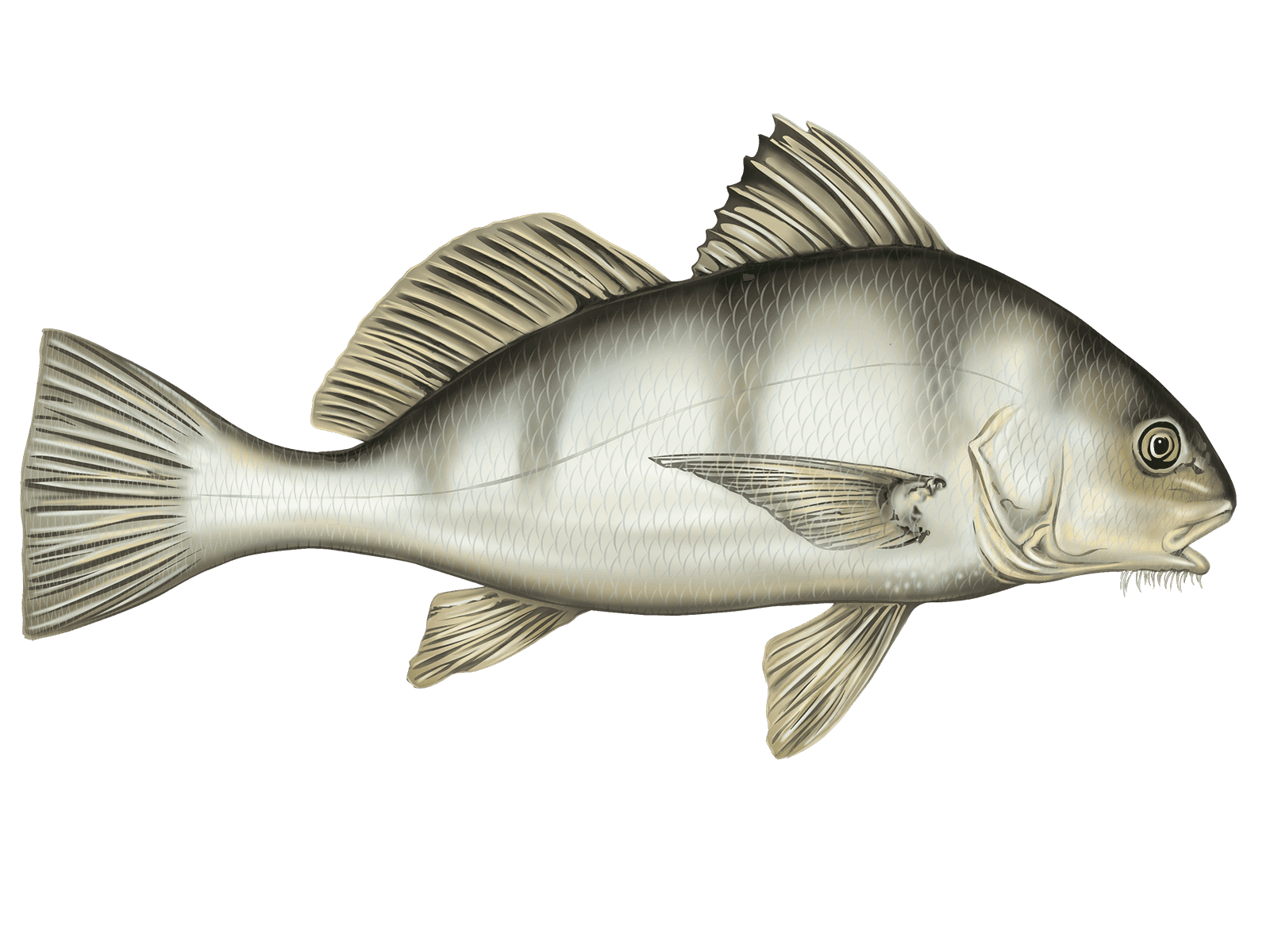
Black Drum might seem like an odd target on a shark trip, but these bottom-dwelling bruisers are absolute bulldogs when hooked in deeper water. The bigger specimens – we're talking 30-50 pounders – hang around the same structure that attracts sharks, and they'll give you a completely different kind of fight. They don't make long runs like sharks do, but instead use their broad sides and powerful bodies to dig deep and stay down. Peak season runs from late fall through early spring when the big breeders move inshore.
Redfish in the nearshore zone are a different animal than their shallow-water cousins. Out here, you'll encounter the bull reds – oversized breeding females that can stretch past 40 inches and weigh north of 30 pounds. These fish have been living in deeper water and feeding heavily, so they're thick, powerful, and know how to use the current to their advantage. Fall months bring the biggest concentrations as they stage for their spawning runs, making September through November prime time for trophy-sized specimens.
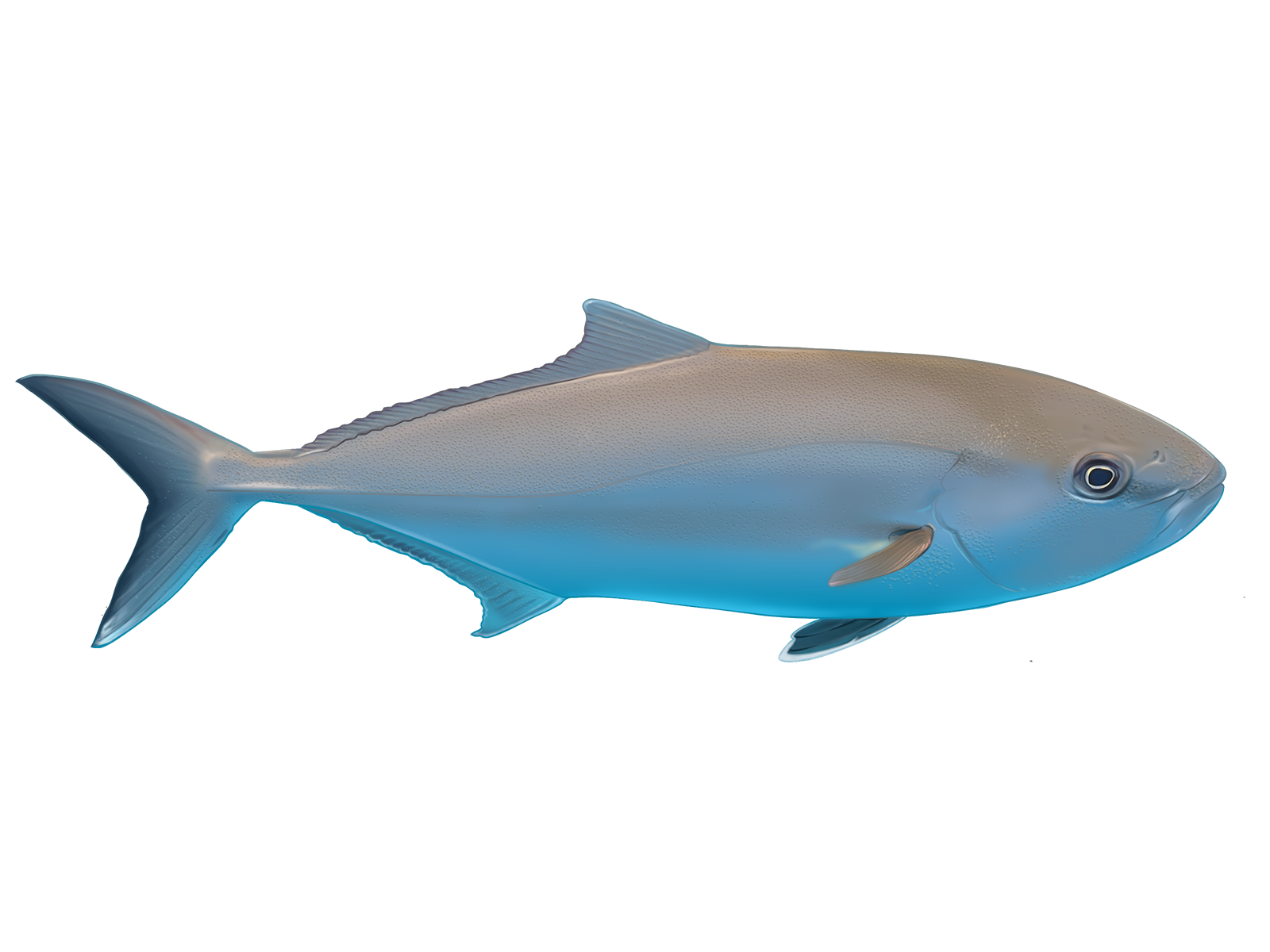
Greater Amberjack are the freight trains of the nearshore zone. These fish live on wrecks, hard bottom, and artificial reefs where they ambush smaller fish with explosive strikes. A big AJ will test every component of your tackle setup – they make blistering initial runs toward structure, trying to wrap you up and break you off. The fight typically happens in multiple stages: that initial rocket-ship run, followed by deep, powerful circles as they try to sound back to the bottom. Spring through early summer offers the most consistent action before the summer closure kicks in.
Great Barracuda bring a completely different energy to the trip. These silver missiles are built for speed and equipped with razor-sharp teeth that can slice through careless hands or light tackle. They're ambush predators that often show up unexpectedly, crushing baits meant for other species with lightning-fast strikes. The fight is explosive but typically short-lived – barracuda are sprinters, not marathon runners. They make spectacular jumps and can throw hooks easily if you don't keep steady pressure. Year-round residents, but most active during warmer months when baitfish are plentiful.
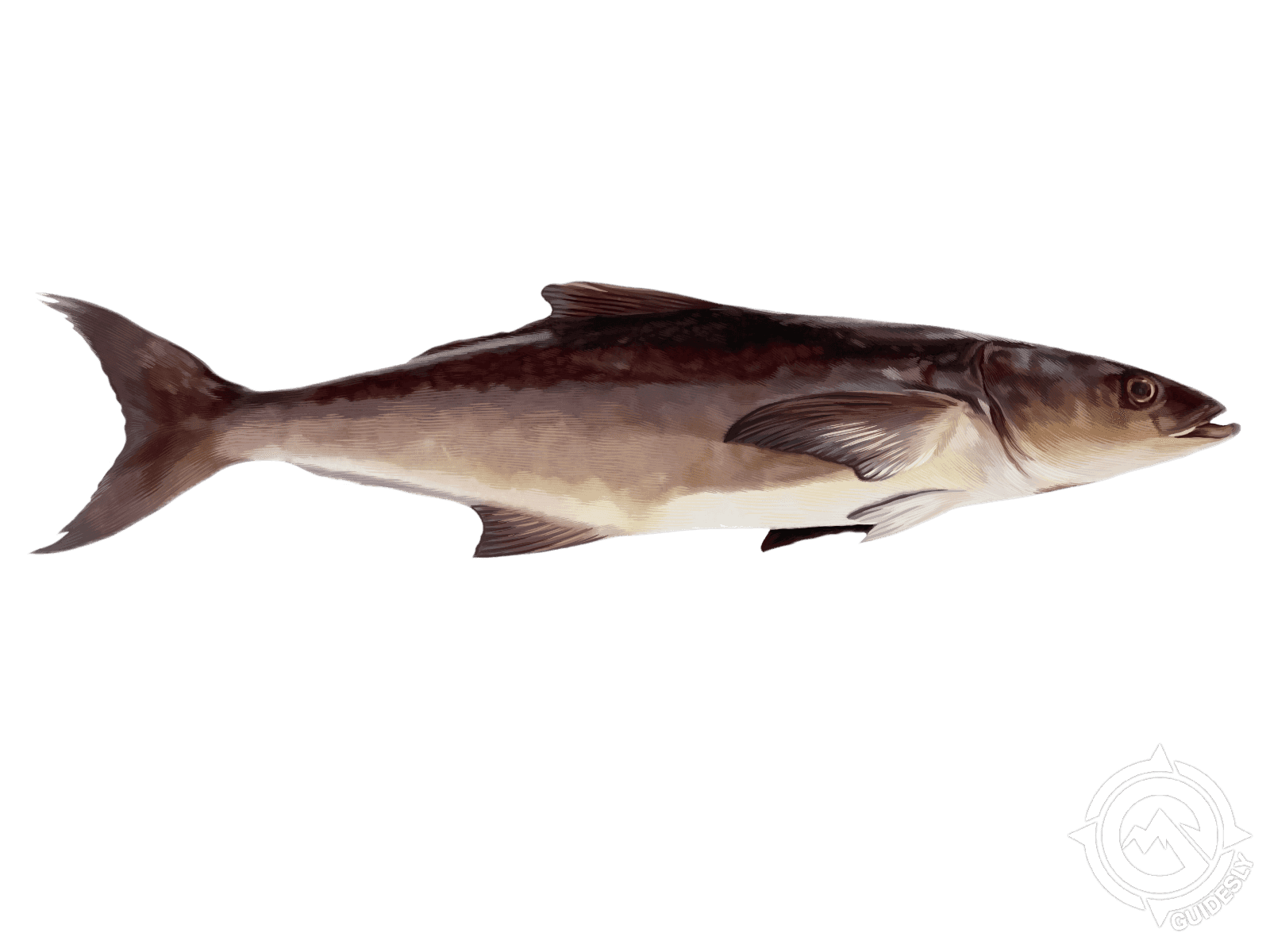
Cobia are the unicorns of nearshore fishing – when they show up, everything else takes a backseat. These brown sharks (as some folks call them) are curious fish that often cruise just under the surface, making them perfect sight-fishing targets. They're incredibly strong fighters that use their broad, flat heads to leverage against the rod, and they're notorious for making last-second runs right at the boat. Cobia are also fantastic table fare, making them a double win when you connect. Spring migration brings the best opportunities, typically March through May, when fish are moving north along the coast.
Time to Book Your Spot
This shark fishing charter offers something most inshore trips can't – a chance to tangle with genuine apex predators in their own environment. Captain Lee's got the experience to put you on fish while keeping everyone safe, and the included gear, bait, and cleaning service means you just show up ready to fish. Whether you're looking to cross sharks off your bucket list or want to introduce your crew to a completely different style of fishing, this 4.5-hour adventure delivers the kind of stories you'll be telling for years. The early start time puts you on the water when sharks are most active, and the private charter format means no sharing space with strangers or rushing through your experience.
Learn more about the species
Black Drum
Black drum are powerful bottom-dwellers that run 5-30 pounds around here, though big bulls can hit 90 pounds. These gray-black bruisers got their name from the drumming sounds they make - you'll hear them croaking underwater during spawning season in spring. They love shallow muddy flats, oyster beds, and creek mouths where they crush crabs and shellfish with those strong jaws. Spring's your best bet when they school up for spawning. What makes them fun is that bulldogging fight once hooked. Meat's good on the smaller ones under 15 pounds. Pro tip: use fresh blue crab for bait and fish it right on the bottom - they won't chase anything that's not sitting in the mud where they expect their dinner to be.
Cobia
Cobia are the gentle giants that cruise alone, averaging 30-60 pounds with that dark brown color and shark-like dorsal fin. They hang around structure like buoys, wrecks, and channel markers in 20-100 feet of water. Spring migration brings the best action when they're moving through spawning. What guests love is sight-fishing for them - you'll see these big fish just under the surface, and they're usually pretty cooperative about eating a well-placed bait. Plus they're some of the best eating fish in the ocean with that firm, white meat. They're curious fish that'll often swim right up to the boat. Key trick: when you spot one, get a bucktail jig or live bait in front of them quickly but don't spook them with sudden movements - they'll usually eat if you're patient.
Great Barracuda
Great barracuda are the silver bullets of the nearshore waters, running 3-5 feet long and hitting speeds up to 35 mph. These toothy predators cruise reefs, grass beds, and structure in 10-50 feet, often near the surface where you can spot them. Spring through fall they're most active, especially around baitfish schools. What draws anglers is that explosive strike and acrobatic fight - they'll jump and make blistering runs, though they tire quickly. Most folks release them since the meat can be risky. They hunt by sight and are naturally curious, so they'll investigate anything shiny. My tip: use wire leader always, and when you see one following your lure, speed up the retrieve - their predator instinct kicks in and they'll usually crush it.
Greater Amberjack
Greater amberjack are the bullies of the offshore scene, typically running 20-50 pounds with that distinctive amber stripe down their sides. These bruisers live around structure - wrecks, reefs, and hard bottom in 60-150 feet of water. Spring and fall are your best shots when they're more active and feeding heavily. What makes them popular is that brutal initial run and steady pull that'll test your drag system. They're excellent eating too - firm, white meat that's perfect for grilling. You'll usually find them suspended mid-water around structure. Here's the trick: drop a live bait or heavy jig down to them, but once you hook up, get them away from the structure fast or they'll cut you off on the reef every time.
Redfish
Redfish are the bread and butter of our shallow water fishing, running 5-20 pounds typically with those distinctive black spots near the tail. You'll find them cruising grass flats, oyster bars, and creek mouths in just 1-4 feet of water - sometimes so shallow their backs show above the surface. Spring through fall is prime time when they're actively feeding. What guests love is watching them blow up on topwater baits in skinny water. The fight's solid but not crazy long, and they're great eating with that mild, sweet flavor. They're not picky eaters either - shrimp, crabs, small baitfish all work. My go-to trick is looking for nervous water or mud puffs where they're rooting around feeding, then working a gold spoon or topwater plug just ahead of them.
About the Get Hooked Fishing Charter
%2F%2Fusers%2Fe27be428-4402-44c1-a8a1-fb9aaf19fa31%2Fvehicle_picture%2F2f6a1e65a3bad85ce9bd406969910084-mmydvwpt.jpeg&w=1920&q=75)
Vehicle Guest Capacity: 4
Manufacturer Name: 2024 Honda
Maximum Cruising Speed: 35
Number of Engines: 1
Horsepower per Engine: 250