%2Ffit-in%2F250x250%2Fguide_websites%2F121873%2Fimages%2F1773981771403chatgptimagemar20202612_42_43pm.png&w=1920&q=100)
/users/e27be428-4402-44c1-a8a1-fb9aaf19fa31/ratecard/1-mmydegvu.jpeg)
%2F300x300%2Fusers%2Fe27be428-4402-44c1-a8a1-fb9aaf19fa31%2Fratecard%2F1-mmydegvu.jpeg&w=256&q=75)
%2F300x300%2Fusers%2Fe27be428-4402-44c1-a8a1-fb9aaf19fa31%2Fimages%2Flittle-river-flatfish-catch-2446.jpg&w=256&q=75)
%2F300x300%2Fusers%2Fe27be428-4402-44c1-a8a1-fb9aaf19fa31%2Fimages%2Fgreater-amberjack-little-river-catch-2469.jpg&w=256&q=75)
%2F300x300%2Fusers%2Fe27be428-4402-44c1-a8a1-fb9aaf19fa31%2Fimages%2Flittle-river-cobia-catch-2463.jpg&w=256&q=75)
%2F300x300%2Fusers%2Fe27be428-4402-44c1-a8a1-fb9aaf19fa31%2Fimages%2Fblack-drum-little-river-catch-2388.jpeg&w=256&q=75)
%2F300x300%2Fusers%2Fe27be428-4402-44c1-a8a1-fb9aaf19fa31%2Fimages%2Flittle-river-fishing-charter-boat-2404.jpg&w=256&q=75)
%2F300x300%2Fusers%2Fe27be428-4402-44c1-a8a1-fb9aaf19fa31%2Fimages%2Flittle-river-spadefish-catch-2438.jpg&w=256&q=75)
%2F300x300%2Fusers%2Fe27be428-4402-44c1-a8a1-fb9aaf19fa31%2Fimages%2Flittle-river-fishing-catch-2466.jpeg&w=256&q=75)
%2F300x300%2Fusers%2Fe27be428-4402-44c1-a8a1-fb9aaf19fa31%2Fimages%2Flittle-river-redfish-catch-2486.jpeg&w=256&q=75)
%2F300x300%2Fusers%2Fe27be428-4402-44c1-a8a1-fb9aaf19fa31%2Fimages%2Flittle-river-fishing-charter-dock-2448.jpg&w=256&q=75)
%2F300x300%2Fusers%2Fe27be428-4402-44c1-a8a1-fb9aaf19fa31%2Fimages%2Fblack-drum-little-river-sc-2532.jpeg&w=256&q=75)
Top Rated Inshore Charter North Myrtle Beach
 North Myrtle Beach
What you will be catching:
 Black Drum
 Cobia
Cobia Great Barracuda
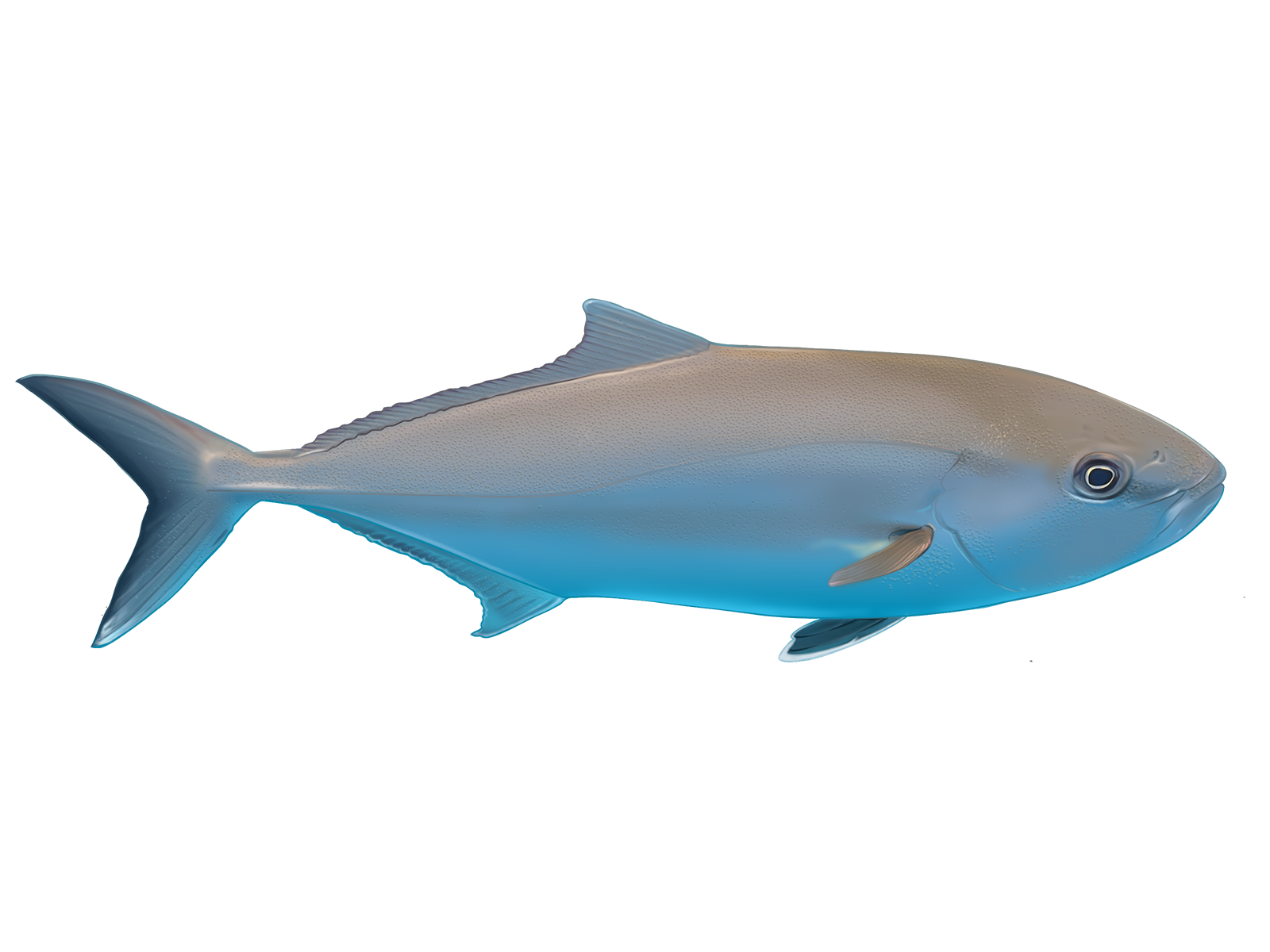 Greater Amberjack
 Redfish
- 4.5-hour morning charter targeting redfish, bass, and mackerel
- Family-friendly trip with gear, bait, and licenses included
- Maximum 4 guests with catch cleaning service provided
Trip Pricing and Availabilities:
Inshore Fishing Charter North Myrtle Beach
Looking for a solid morning on the water without the rough seas and long rides? Captain Lee's 4.5-hour inshore charter out of North Myrtle Beach hits that sweet spot perfectly. Starting bright and early at 7 AM, this trip keeps you in the protected coastal waters where the fish are biting and the ride stays comfortable. You'll have room for up to 3 anglers, with the option to squeeze in a 4th if your crew's feeling ambitious. Everything's included – gear, bait, licenses, even cleaning your catch – so you can focus on what matters: putting fish in the cooler.
What to Expect on the Water
This isn't your typical tourist trap fishing trip. Captain Lee knows these inshore waters like the back of his hand, and he's not just there to drive the boat. You'll be working structure, grass flats, and creek mouths where the fish actually live, not just hoping something swims by. The early start gives you the best bite times before the sun gets high and the weekend boat traffic picks up. Whether you're a complete beginner or someone who fishes regularly, you'll learn something new about reading water and finding fish. The calm inshore environment makes it perfect for families with kids or anyone who gets queasy in rough seas. Plus, being close to shore means more time fishing and less time traveling to the fishing grounds.
Tackle and Techniques
You'll be fishing with medium to light tackle that's perfect for the inshore species in these waters. Captain Lee sets you up with everything from live bait rigs for bottom fishing to artificial lures for sight fishing in the shallows. Depending on conditions and what's biting, you might be dropping Carolina rigs around structure, casting spoons and jigs to feeding fish, or even doing some light trolling along channel edges. The beauty of inshore fishing is the variety – one minute you're working a popping cork over grass beds, the next you're sight casting to tailing redfish in two feet of water. All the gear is top-rated and well-maintained, from the rods and reels down to the terminal tackle. You don't need to bring anything except sunscreen and a good attitude.
Species You'll Want to Hook
Black drum are the bulldogs of the inshore waters around North Myrtle Beach. These fish can range from smaller "puppy drum" around 2-3 pounds up to monster bulls pushing 30-40 pounds or more. They're bottom feeders that love crab and shrimp, making them perfect targets with cut bait around oyster beds and structure. Spring and fall are prime times when they school up, but you can find them year-round if you know where to look. What makes black drum so exciting is their fight – they don't jump or make long runs, but they'll dig deep and test your arms with that stubborn, head-shaking battle.
Redfish are the crown jewel of inshore fishing, and North Myrtle Beach serves up some beauties. These copper-colored fighters typically run 18-30 inches in these waters, with that distinctive black spot near their tail. They're ambush predators that cruise grass flats, oyster bars, and creek mouths looking for crabs and baitfish. Summer months bring great sight fishing opportunities in shallow water, while fall and winter find them schooled up in deeper holes. When a red hits your bait, get ready – they'll make that drag scream on their initial run before settling into a strong, steady fight that'll have your arms burning.
Greater amberjack might surprise you this close to shore, but the nearshore reefs and wrecks hold some quality fish. These bruisers can range from 20-pound "schoolies" up to 50-pound beasts that'll test your tackle to its limits. They're structure-oriented fish that hit hard and fight harder, making powerful runs toward the bottom when hooked. Late spring through early fall offers the best action, especially when live bait is plentiful. Amberjack are pure power – imagine hooking into a freight train with fins. They're also excellent table fare when prepared right.
Great barracuda add some serious excitement to any inshore trip with their lightning-fast strikes and aerial acrobatics. These toothy predators patrol the grass flats and channel edges, often following your bait right to the boat before deciding to hit. They typically run 3-8 pounds in the inshore waters, but their aggressive nature and blazing speed make them fight much bigger. Summer months see the most consistent action, especially on bright, flashy lures worked fast through clear water. When a cuda hits, hold on tight – they'll go airborne multiple times, throwing the hook if you're not careful with your drag settings.
Cobia are the wild cards of this fishery – you never know when one might show up, but when they do, it's game on. These brown sharks of the inshore world are curious fish that often approach the boat, giving you sight fishing opportunities you won't forget. They range from 20-40 pounds typically, with their broad heads and distinctive coloration making them unmistakable. Spring and early summer bring the best chances as they move inshore to spawn. Cobia fight with a combination of power and endurance, making long runs and testing every knot in your rig. They're also one of the best eating fish in these waters.
Time to Book Your Spot
Captain Lee's morning inshore charter gives you everything you want in a fishing trip – productive waters, comfortable conditions, and a guide who actually cares about putting you on fish. The 7 AM start gets you out there during prime feeding times, and the 4.5-hour duration is perfect for families or anyone wanting a solid half-day adventure. With all gear, bait, and licenses included, plus professional fish cleaning, you're getting real value for a top-rated charter experience. Whether you're looking to introduce the kids to fishing, celebrate a special occasion, or just
Learn more about the species
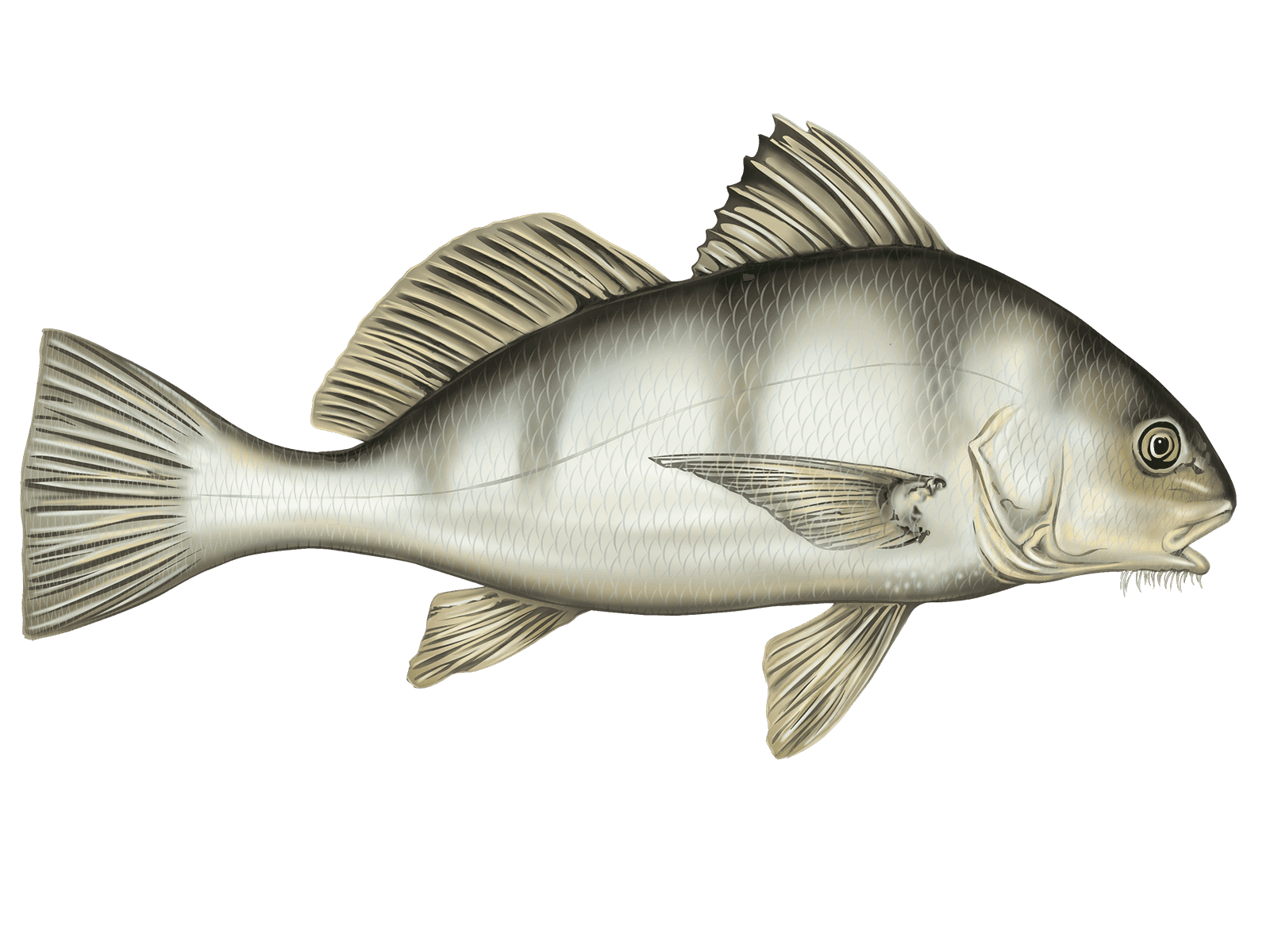
Black Drum
Black drum are the heavyweights of our inshore waters, running anywhere from 5-30 pounds with some monsters pushing 90. You'll find them cruising shallow muddy flats and oyster beds where they use those powerful jaws to crush crabs and shellfish. Spring is prime time when they school up for spawning - that's when you hear their distinctive drumming sounds underwater. These fish are curious and will eat just about any crab or cut bait you put in front of them. Keep the smaller ones under 15 pounds for eating since the big ones get tough and stringy. My tip: use fresh blue crab and fish it right on the bottom - they're not shy about taking a well-presented bait.
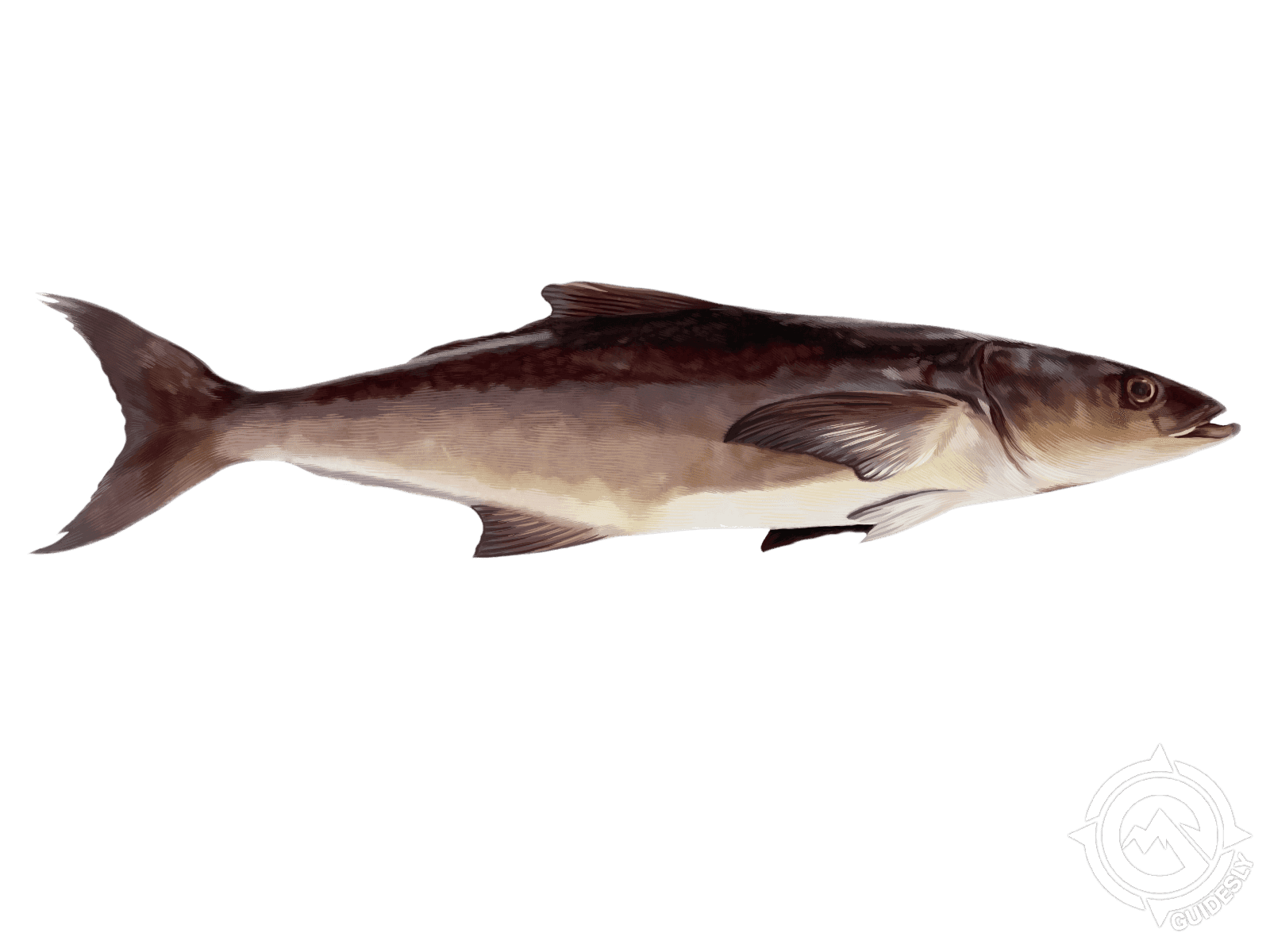
Cobia
Cobia are the brown sharks that aren't sharks - these prehistoric-looking fish average 30-50 pounds and can hit 6 feet long. They're loners that cruise shallow structure like buoys, wrecks, and channel markers in 15-60 feet of water. Late spring through summer is prime time during their spawning migration. Guests love them because they're sight fishing targets that eat aggressively and fight hard with long runs. Plus, they're some of the best eating fish in our waters - firm, white meat that's restaurant quality. They'll eat just about anything but bucktail jigs work great. Here's what I've learned: once you spot one, get your bait in front of it fast - they're curious but won't stick around long if nothing looks interesting.
Great Barracuda
Great barracuda are the speed demons of our waters, typically 2-4 feet long but some reach 6 feet and 40+ pounds. They cruise near the surface around reefs, wrecks, and structure, often in 10-50 feet of water. Spring and summer are peak times when they're most active and aggressive. What makes them exciting is that lightning-fast strike and their ability to jump and run at 35 mph. They're challenging fighters but burn out quick, so be ready for that initial blast. Most folks release them since larger ones can carry ciguatera. They're sight feeders attracted to flashy lures and movement. My advice: use a wire leader and keep your hands clear when landing - those teeth are razor sharp and they're not afraid to use them.
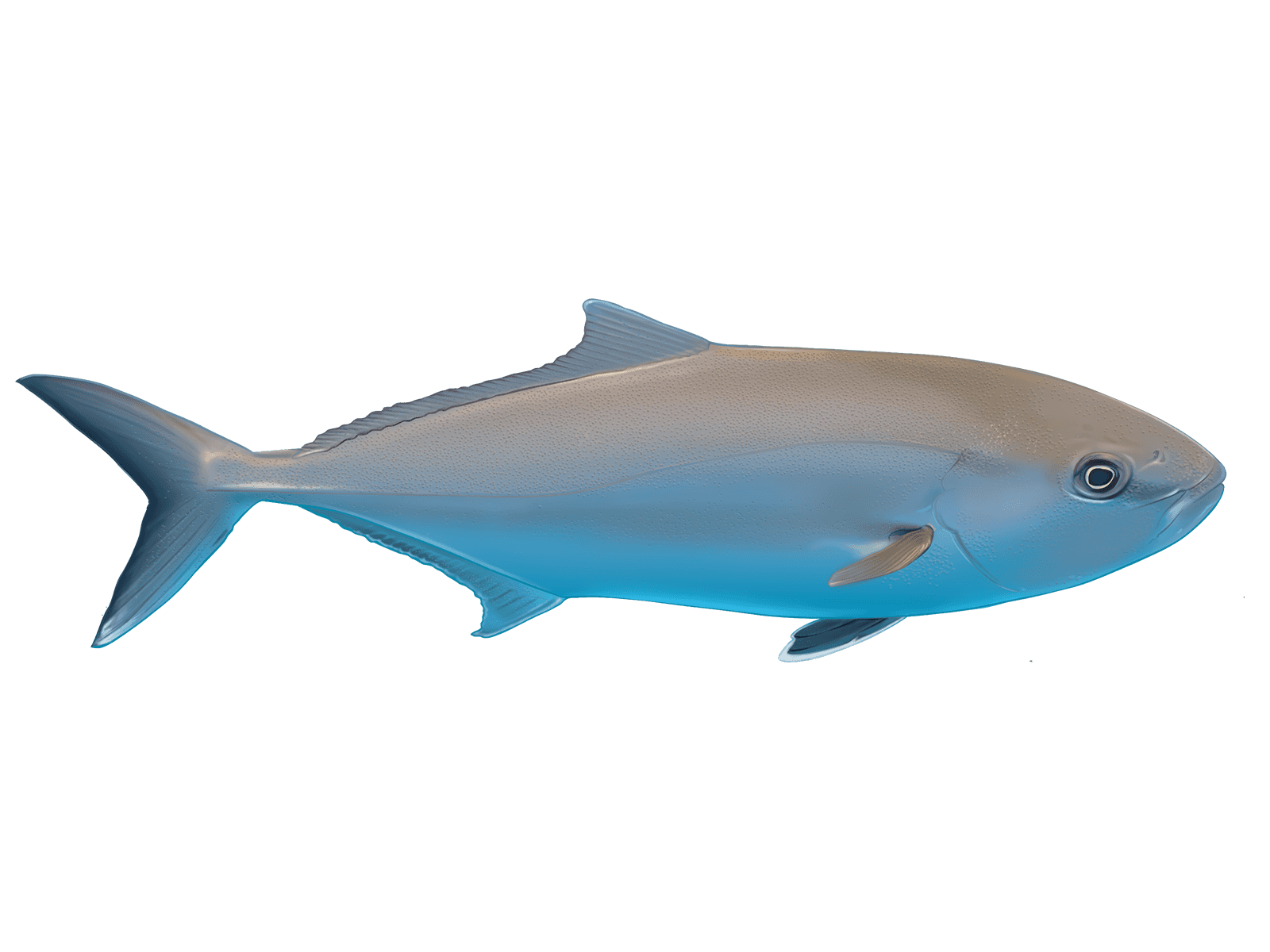
Greater Amberjack
Greater amberjack are the bruisers that show up around our nearshore structure, averaging 20-40 pounds but capable of hitting 100. They hang around wrecks, reefs, and hard bottom in 40-100 feet of water. Spring through early fall is your best shot when they move closer to shore for spawning. What guests love is that initial run - these fish will absolutely smoke your drag and test your tackle. They're also top-shelf eating with firm, white meat that's perfect on the grill. Amberjack aren't picky eaters and will hit live bait, jigs, or even topwater plugs. Here's the key: once you hook up, keep steady pressure and don't give them a chance to get back to structure or they'll cut you off every time.
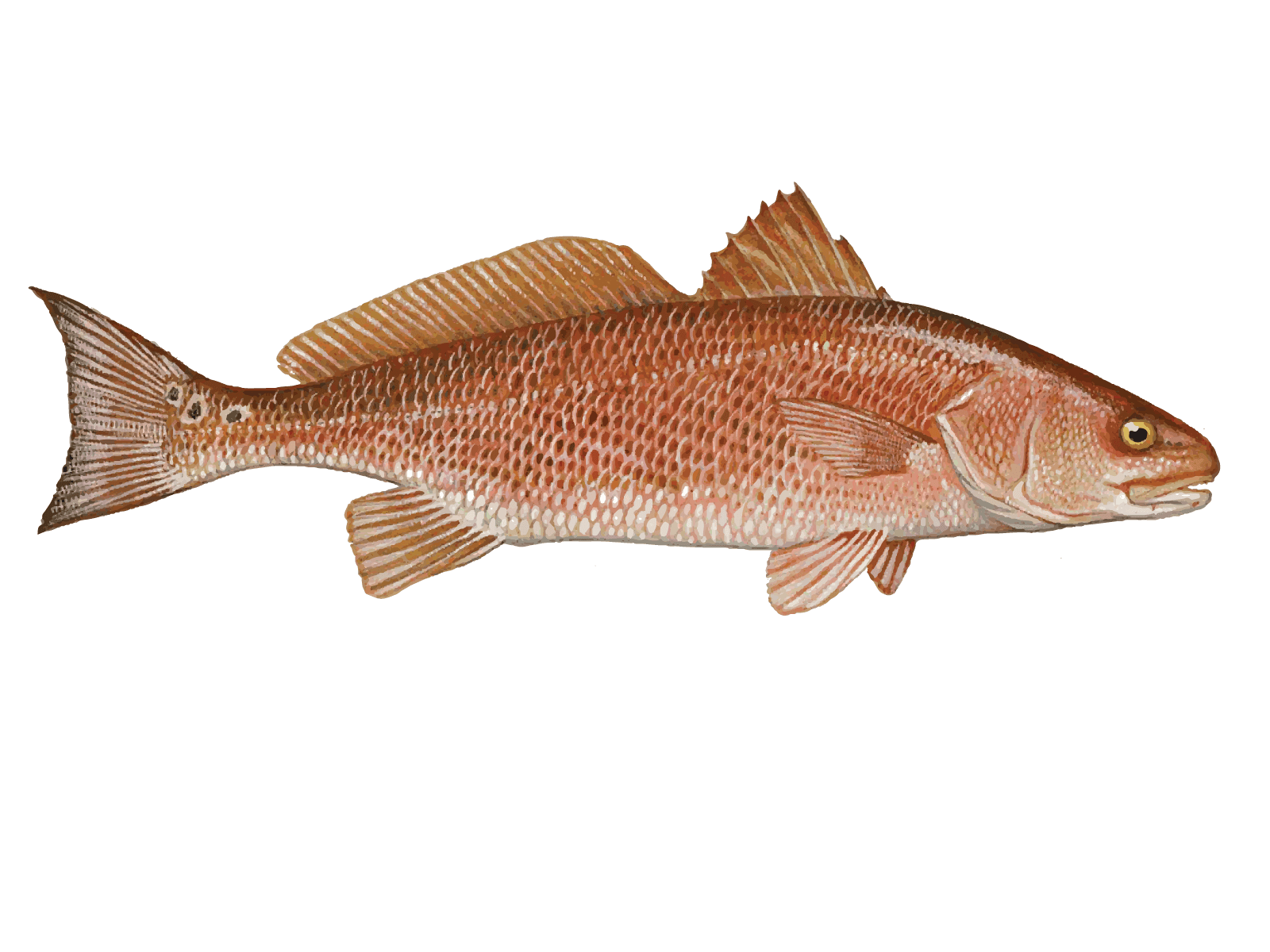
Redfish
Redfish are the bread and butter of our inshore fishing, typically running 18-32 inches with those signature black spots near the tail. They love super shallow water - sometimes so skinny their backs stick out. You'll find them tailing in 1-4 feet around oyster bars, grass flats, and creek mouths. Fall and spring are best when they're actively feeding in big schools. What makes them special is that explosive topwater strike and their dogged fight in shallow water. They're also excellent eating with sweet, flaky meat. These fish are curious and will eat everything from live shrimp to topwater plugs. Pro tip: look for nervous water and birds working bait - that's usually redfish pushing shrimp up.
About the Get Hooked Fishing Charter
%2F%2Fusers%2Fe27be428-4402-44c1-a8a1-fb9aaf19fa31%2Fvehicle_picture%2F2f6a1e65a3bad85ce9bd406969910084-mmydvwpt.jpeg&w=1920&q=75)
Vehicle Guest Capacity: 4
Manufacturer Name: 2024 Honda
Maximum Cruising Speed: 35
Number of Engines: 1
Horsepower per Engine: 250