%2Ffit-in%2F250x250%2Fguide_websites%2F121873%2Fimages%2F1773981771403chatgptimagemar20202612_42_43pm.png&w=1920&q=100)
/users/e27be428-4402-44c1-a8a1-fb9aaf19fa31/ratecard/237c673f1c16aff57c9d7b8f306b852a-mmye1t8j.jpg)
%2F300x300%2Fusers%2Fe27be428-4402-44c1-a8a1-fb9aaf19fa31%2Fratecard%2F237c673f1c16aff57c9d7b8f306b852a-mmye1t8j.jpg&w=256&q=75)
%2F300x300%2Fusers%2Fe27be428-4402-44c1-a8a1-fb9aaf19fa31%2Fimages%2Flittle-river-flatfish-catch-2446.jpg&w=256&q=75)
%2F300x300%2Fusers%2Fe27be428-4402-44c1-a8a1-fb9aaf19fa31%2Fimages%2Fgreater-amberjack-little-river-catch-2469.jpg&w=256&q=75)
%2F300x300%2Fusers%2Fe27be428-4402-44c1-a8a1-fb9aaf19fa31%2Fimages%2Flittle-river-cobia-catch-2463.jpg&w=256&q=75)
%2F300x300%2Fusers%2Fe27be428-4402-44c1-a8a1-fb9aaf19fa31%2Fimages%2Fblack-drum-little-river-catch-2388.jpeg&w=256&q=75)
%2F300x300%2Fusers%2Fe27be428-4402-44c1-a8a1-fb9aaf19fa31%2Fimages%2Flittle-river-fishing-charter-boat-2404.jpg&w=256&q=75)
%2F300x300%2Fusers%2Fe27be428-4402-44c1-a8a1-fb9aaf19fa31%2Fimages%2Flittle-river-spadefish-catch-2438.jpg&w=256&q=75)
%2F300x300%2Fusers%2Fe27be428-4402-44c1-a8a1-fb9aaf19fa31%2Fimages%2Flittle-river-fishing-catch-2466.jpeg&w=256&q=75)
%2F300x300%2Fusers%2Fe27be428-4402-44c1-a8a1-fb9aaf19fa31%2Fimages%2Flittle-river-redfish-catch-2486.jpeg&w=256&q=75)
%2F300x300%2Fusers%2Fe27be428-4402-44c1-a8a1-fb9aaf19fa31%2Fimages%2Flittle-river-fishing-charter-dock-2448.jpg&w=256&q=75)
%2F300x300%2Fusers%2Fe27be428-4402-44c1-a8a1-fb9aaf19fa31%2Fimages%2Fblack-drum-little-river-sc-2532.jpeg&w=256&q=75)
Kids Inshore Fishing Get Hooked North Myrtle
 North Myrtle Beach
What you will be catching:
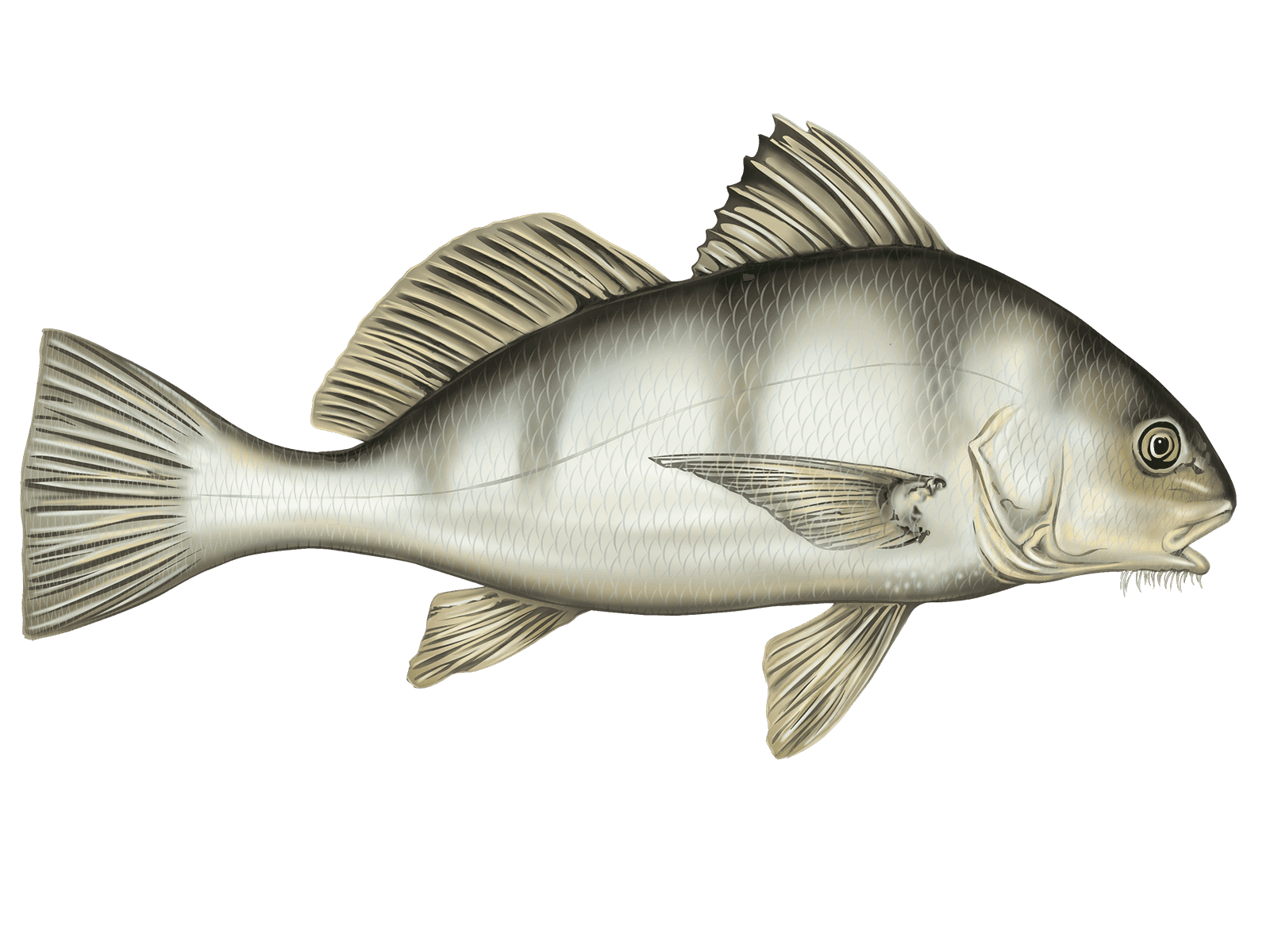
 Black Drum
 Cobia
Cobia Great Barracuda
 Greater Amberjack
 Redfish
- 4.5-hour family-friendly charter targeting redfish and mackerel
- All equipment, bait, licenses, and fish cleaning services included
- Accommodates up to 3 guests with patient instruction provided
Trip Pricing and Availabilities:
Kids Fishing Charter North Myrtle Beach
Getting your kids hooked on fishing starts with the right captain and the perfect setup. This 4.5-hour morning adventure with Captain Lee puts young anglers first, using calm inshore waters around North Myrtle Beach to create memories that'll last a lifetime. Starting bright and early at 7 AM, you'll have three spots guaranteed, with room for a fourth angler if needed. The focus here isn't about landing monster fish – it's about keeping kids engaged, teaching them the basics, and making sure everyone goes home with stories to tell.
What to Expect on the Water
Captain Lee knows exactly how to work with young anglers, and his approach shows from the moment you step aboard. The trip targets the protected inshore waters where conditions stay manageable and fish are cooperative. You'll be working areas where redfish cruise the shallows, black drum patrol the bottom, and Spanish mackerel provide that fast action kids crave. Everything's included – gear, bait, licenses, even fish cleaning – so parents can focus on watching their kids discover the joy of fishing. The setups are simple but effective, designed so even first-time anglers can feel the satisfaction of a proper hookset and fight. Captain Lee's patient guidance means kids learn real techniques while having fun, not just getting their lines wet.
Gear and Techniques
The beauty of this charter lies in its simplicity. Captain Lee uses light tackle that's perfectly matched to young hands and inshore species. You'll primarily work with spinning reels and medium-light rods that won't wear out small arms during longer fights. Bait fishing dominates the day – live shrimp, cut bait, and small artificials that produce steady action without requiring advanced casting skills. The captain sets up each rod specifically for the target species and conditions, then teaches kids how to feel for bites, set hooks properly, and work fish to the boat. Bottom rigs work great for black drum and redfish around structure, while lighter presentations target more aggressive species in open water. The learning curve stays gentle, but the techniques are real – these aren't dumbed-down methods, just smart approaches that build confidence.
Species You'll Want to Hook
Black drum make perfect targets for young anglers, especially during cooler months when they school up in deeper holes and around structure. These copper-colored fighters average 2-5 pounds inshore, pulling hard enough to get kids excited without being overwhelming. They're bottom feeders with a great appetite for shrimp and cut bait, often providing multiple hookups when you find a school. Black drum fight with steady pressure rather than dramatic runs, giving kids time to learn proper fish-fighting techniques.
Redfish are the crown jewels of the inshore experience, and North Myrtle Beach waters hold some beauties. These bronze-backed fighters range from slot-sized fish around 20 inches up to bull reds that'll test young anglers' skills. Spring through fall offers the best action, with reds feeding aggressively in shallow waters and around grass beds. They're ambush predators that hit hard and fight dirty, using their broad sides to create leverage against young anglers. The sight of a red's bronze back and distinctive spot breaking the surface creates memories kids never forget.
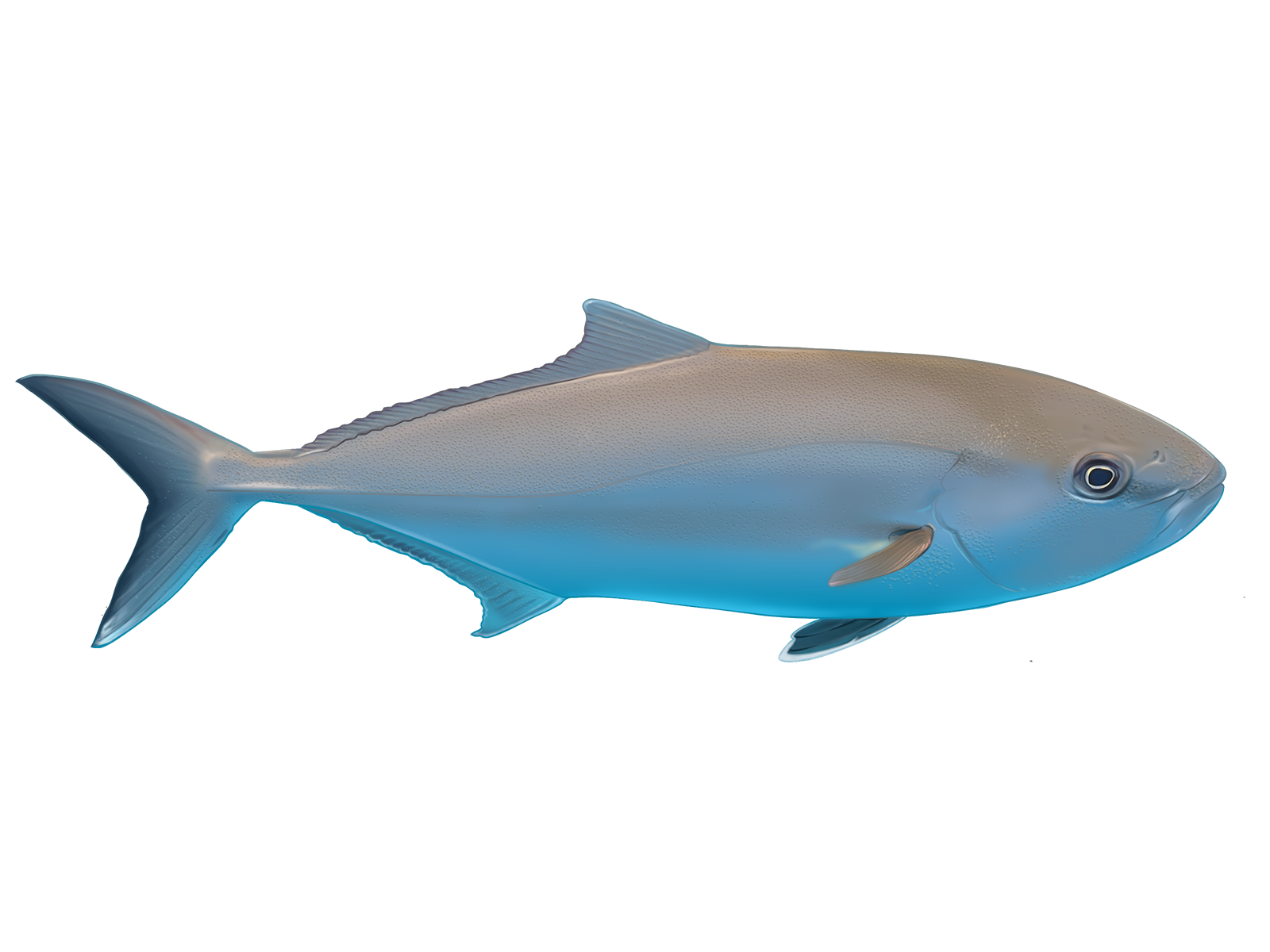
Greater amberjack bring serious muscle to the inshore scene, though they're more commonly encountered during warmer months around structure and wrecks. These yellow-tailed powerhouses can reach impressive sizes even in relatively shallow water, providing the kind of arm-burning fights that turn kids into serious anglers. Amberjack are aggressive predators that hit live bait and small jigs with authority, then use their strength and speed to test every knot and connection. Landing one becomes a team effort that teaches kids about patience and persistence.
Great barracuda add excitement with their explosive strikes and razor-sharp teeth. These silver missiles patrol the flats and grass beds, ambushing baitfish with lightning-fast attacks that get everyone's attention. They're most active during warmer months, often following hooked fish to the boat before deciding to strike. Barracuda teach kids about sharp hooksets and steady pressure, plus they provide great photo opportunities with their impressive teeth and sleek profiles.
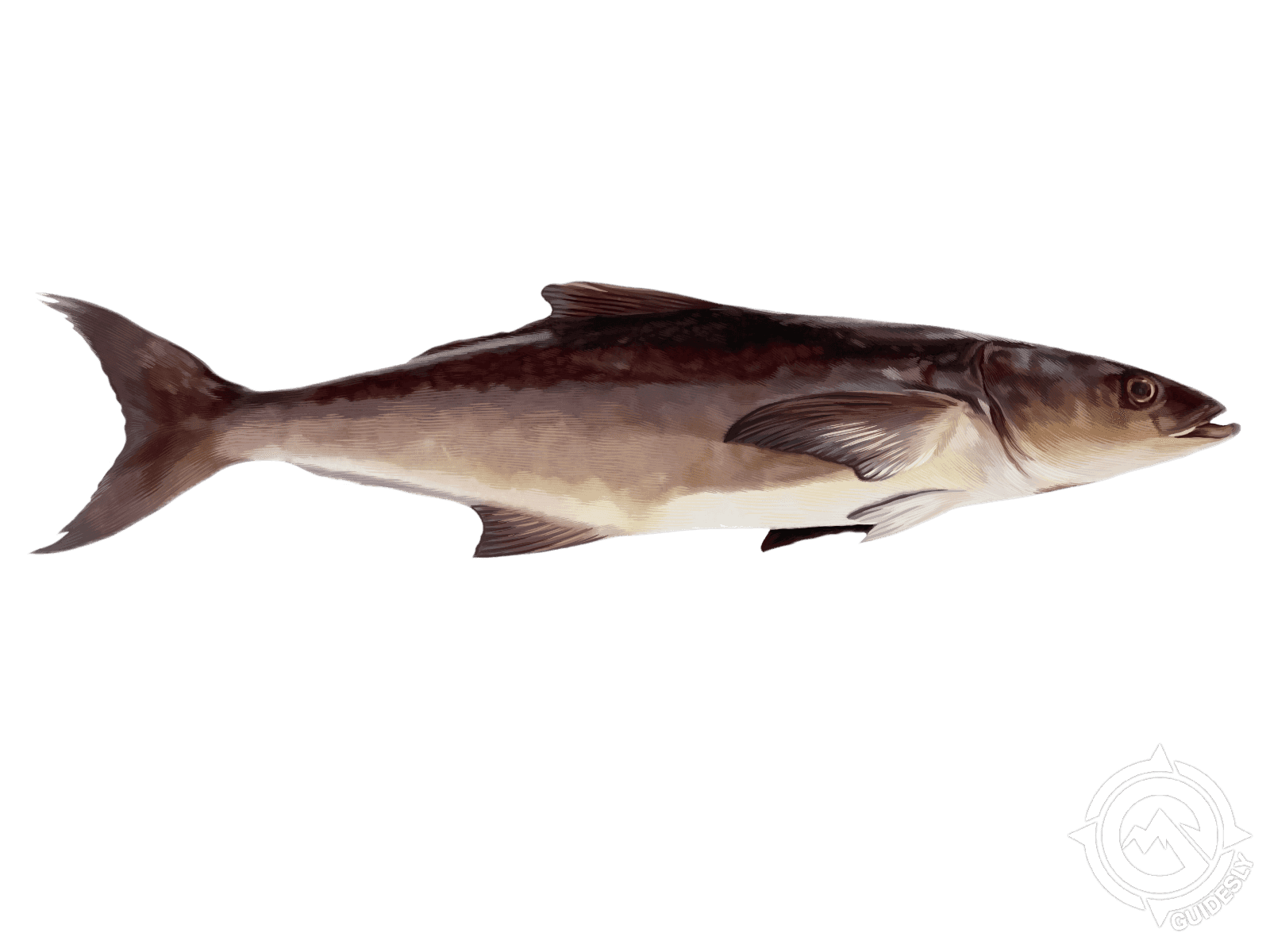
Cobia represent the holy grail of inshore fishing, especially during their spring and fall migrations past the Carolina coast. These brown sharks lookalikes cruise shallow waters and around structure, often approaching boats out of curiosity. They're sight-fishing opportunities that get everyone on deck scrambling for rods. Cobia grow large and fight with bulldogging power, providing the kind of epic battles that young anglers remember for years. Their curious nature and impressive size make them top-rated targets for families wanting that one special fish.
Time to Book Your Spot
This kid-friendly charter delivers everything families need for a successful day on the water. Captain Lee's patient approach, combined with productive inshore waters and species that cooperate with young anglers, creates the perfect introduction to saltwater fishing. The early morning start means you'll beat the heat and catch fish during prime feeding times. With all gear, licenses, and fish cleaning included, parents can focus on what matters – watching their kids discover the magic of fishing. These are the trips that create lifelong anglers and family traditions that span generations. Book now and give your kids an adventure they'll be talking about long after you head home.
Learn more about the species
Black Drum
Black drum are fascinating fish that get their name from the drumming sounds they make to communicate. These dark, stocky fighters typically run 5-30 pounds in our waters, though giants over 50 pounds show up occasionally. You'll find them around oyster beds, muddy flats, and creek mouths where they crush crabs and shellfish with powerful jaws. Spring is prime time when they school up for spawning - that's when we see the best action. Kids love the steady pull these fish give, and smaller ones under 15 pounds make great table fare with sweet, flaky meat. Pro tip: fresh crab bait works best since catfish won't steal it like they do with shrimp. Keep your bait on the bottom and be patient - drum take their time deciding whether to commit.
Cobia
Cobia are brown, shark-shaped fish that average 20-40 pounds and are some of the best eating you'll find in these waters. These solitary hunters cruise around structure like buoys, wrecks, and channel markers, often swimming just under the surface where you can spot them easily. Spring migration from April through June offers the hottest action when they're moving through our area to spawn. What makes cobia special is their curiosity - they'll actually follow the boat and investigate lures, giving kids multiple chances at a hookup. The meat is outstanding, firm and white like a premium steak fish. My favorite technique is sight fishing with bucktail jigs. When you see one, cast ahead of where it's swimming and work the jig slowly. Cobia will often circle back for a second look if they miss the first time.
Great Barracuda
Great barracuda are lightning-fast predators that can reach 3-5 feet long with razor-sharp teeth and an attitude to match. These silver missiles cruise near the surface around reefs, grass beds, and structure, hitting speeds up to 35 mph when they strike. Summer months bring the most consistent action when they're actively hunting in warmer water. What makes barracuda fishing exciting is their explosive strikes and acrobatic jumps - they'll put on a show that gets everyone's attention. While the meat can carry ciguatera risk in larger fish, the fight alone makes them worth targeting. Here's my key tip: use a wire leader and keep your lures moving fast. Barracuda are attracted to flash and speed, so shiny spoons and fast-retrieved plugs trigger their predatory instincts. Always use a net and gloves when landing them.
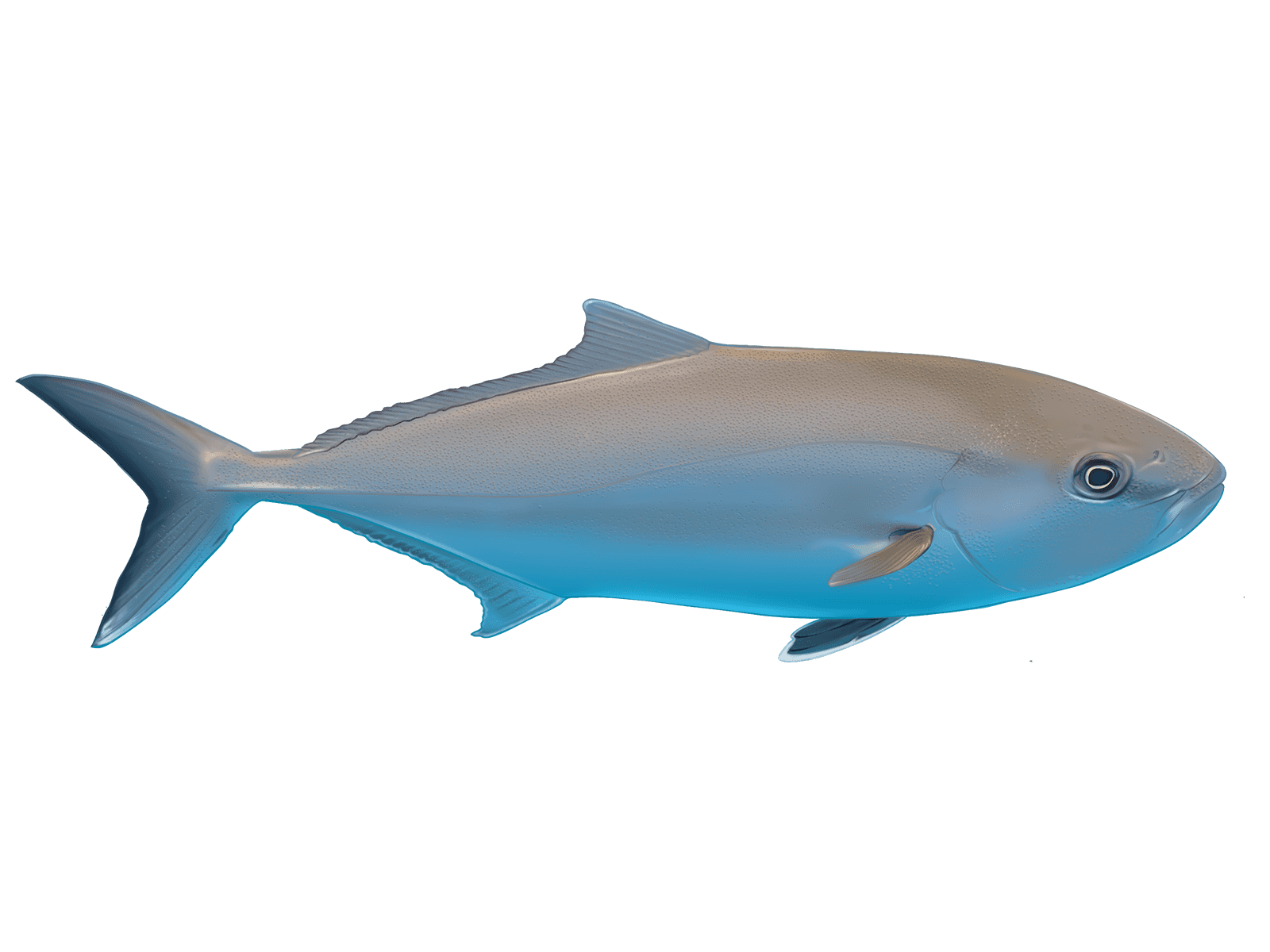
Greater Amberjack
Greater amberjack are serious fighters that'll test your strength, typically running 20-50 pounds with that classic amber stripe down their sides. These powerful fish hang around structure like wrecks, reefs, and artificial reefs in 40-100 feet of water. Spring brings the best fishing during their spawning season from April through May when they're most active and aggressive. What guests love about amberjack is their bulldogging fight - they pull hard and don't give up easy, making every catch feel earned. The meat is excellent when prepared right, firm and flavorful. My go-to technique is dropping live bait or heavy jigs down to structure and holding on tight. Keep your drag set firm but not locked down - amberjack will make powerful runs that can snap your line if you're not ready for their strength.
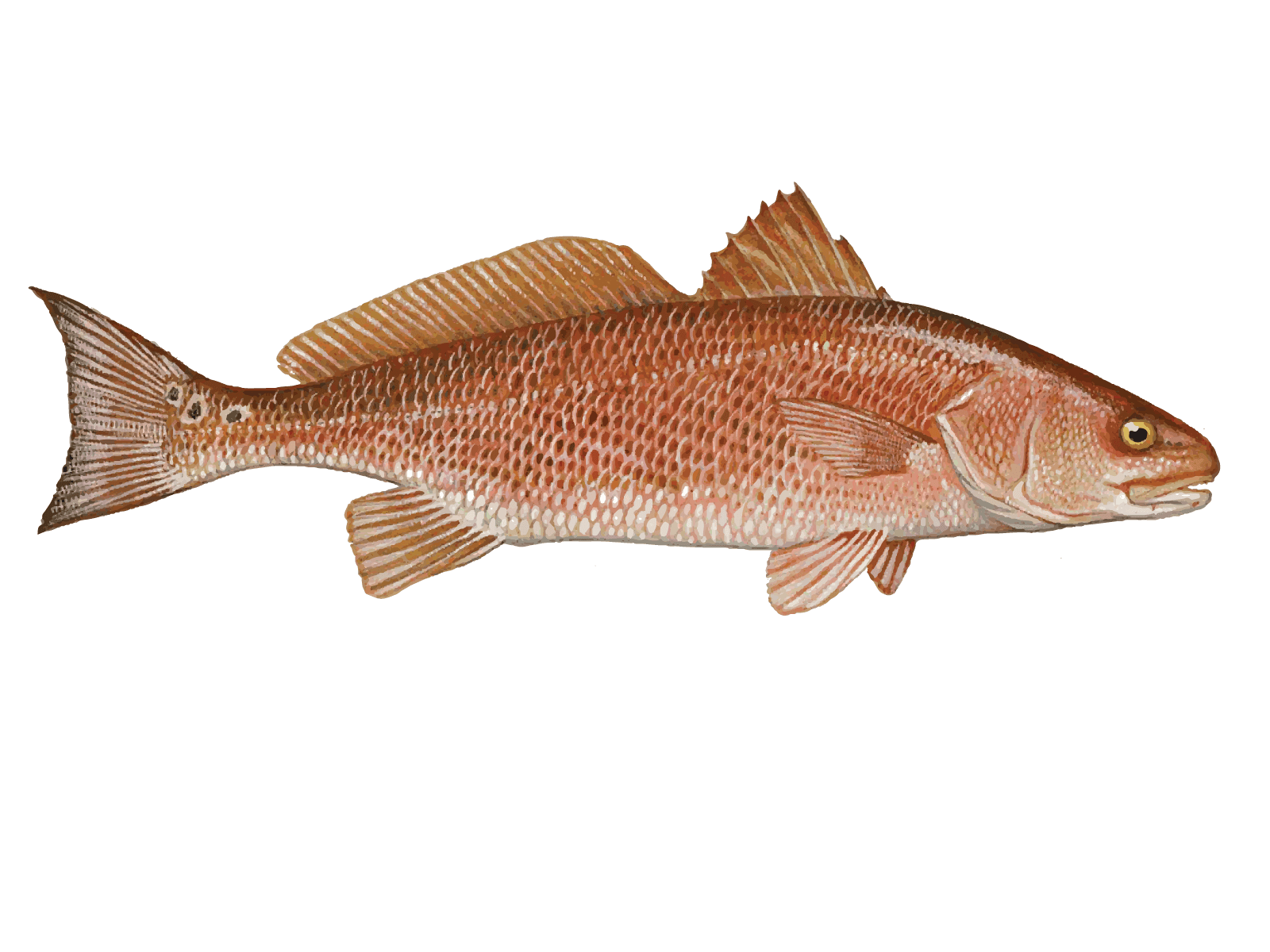
Redfish
Redfish are the crown jewel of our inshore fishing here. These copper-colored beauties with distinctive black spots near their tails typically run 18-30 inches and put up a strong, steady fight that's perfect for kids. They love super shallow water - sometimes so shallow their backs stick out - around oyster bars, grass flats, and creek mouths. Fall and spring offer the best action when they're feeding heavy before and after winter. What makes them special is their willingness to eat almost anything and their excellent table quality with mild, sweet meat. The key trick I share with families is to look for nervous water or tailing fish in the shallows. When you spot one, cast past it and work your bait slowly back - redfish spook easily but can't resist a well-presented meal.
About the Get Hooked Fishing Charter
%2F%2Fusers%2Fe27be428-4402-44c1-a8a1-fb9aaf19fa31%2Fvehicle_picture%2F2f6a1e65a3bad85ce9bd406969910084-mmydvwpt.jpeg&w=1920&q=75)
Vehicle Guest Capacity: 4
Manufacturer Name: 2024 Honda
Maximum Cruising Speed: 35
Number of Engines: 1
Horsepower per Engine: 250